
Influencer Marketing Case Studies: What Actually Works in 2026
Explore real influencer marketing case studies breaking down strategies, creators, budgets, and results to reveal what actually drives ROI today.
Table of Contents
Influencer Marketing Case Studies: What Actually Works in 2026
Influencer marketing has evolved far beyond the early days of polished celebrity endorsements and one-off sponsored posts. There’s so much going on in the social media universe and we’re going to help break it down. In 2026, the influencer marketing campaigns that succeed start from a refined, data-driven strategy capable of delivering conversions, customer acquisition, community building and scalable content creation.
What keeps influencer marketing effective is simple: authenticity. Today’s audiences want content that feels human, real, and relatable. Influencers are shaping narratives, starting trends, and providing the social proof buyers trust. In a digital world oversaturated with ads, that authenticity stands out and makes a huge difference.
The case studies and insights below break down what’s working now.
Why Influencer Marketing Still Works
Even in 2026 with rising ads costs, changing algorithms, and evolving consumer tastes, influencer marketing remains one of the most effective strategies for brands that know how to use it. According to a recent survey, over 85% of marketers still believe influencer marketing is effective for their business.
What makes it durable is trust, authenticity, and social proof. Influencers aren’t polished billboards: they’re real people with real followers. Their followers see them as peers more than ads. That social‑proof dynamic often resonates more than a brand’s own messaging.
And in 2026, influencer marketing has become a medium where brands now run campaigns through the voice of real people in order to drive conversions, repeat purchases, and long-term loyalty. As consumers grow weary of polished ads, influencer content continues to feel authentic, relatable, and persuasive.
Key Elements of a Successful Influencer Campaign
A successful influencer campaign in 2026 is a designed program that balances strategy, creativity, and measurement. The campaigns that perform best share several core elements. First, alignment is essential: the influencer’s audience, style, and values must naturally connect with the brand’s identity. When this fit is authentic, the content resonates and trust is maintained. Second, clarity in goals and expectations ensures everyone knows what success looks like, from reach and engagement to conversions or user-generated content creation. Finally, ongoing optimization and data-driven iteration are key: campaigns aren’t static; they evolve as you learn which messages, formats, and creators generate the strongest results.
1.Choosing the Right Influencers
Selecting the right influencers goes far beyond follower counts. In 2026, micro- and mid-tier creators are often the most effective because they have highly engaged niche audiences. These creators build tight-knit communities that trust their opinions, making their recommendations more persuasive than broad-reach celebrity posts. Audience relevance, content style, and authenticity are the top criteria brands use when evaluating creators. Influencers who already genuinely use or care about a product tend to deliver higher engagement and better conversion rates than those hired solely for reach. Evaluating past performance, engagement metrics, and audience demographics ensures that the partnership will achieve both brand and campaign goals.
2. Campaign Strategy & Goal Setting
A strong campaign starts with well-defined objectives. Brands increasingly use always-on influencer programs rather than one-off posts to build consistency and trust.
Want to put this into practice?
SideShift connects you with vetted UGC creators who actually deliver. Start your free trial and post your first job in under 10 minutes.
Budgets are spread across multiple creators and optimized continuously, allowing brands to scale winning content while minimizing wasted spend. Every creative decision ties back to overarching business goals like growth, retention or content generation.
3. Content Format & Creative Strategy
Creative execution is often the deciding factor in campaign success. Audiences prefer content that feels native to each platform, unfiltered short-form videos, product demos, story-driven clips, or casual behind-the-scenes content. Repurposing influencer assets across social, paid ads, email, and landing pages also dramatically increases ROI. At the same time, giving creators enough flexibility ensures the content feels natural, not overly branded. Brands that strike this balance achieve higher engagement and stronger storytelling.
4. Tracking & Analytics
Performance tracking is critical in modern influencer marketing. Brands now tie influencer content to measurable KPIs like engagement rate, clicks, conversions, sales, and customer retention. Using analytics tools, brands can evaluate which creators deliver the highest ROI, which content formats resonate, and how campaigns should evolve. Programmatic and AI-powered platforms streamline this process, allowing brands to track performance in real-time and optimize campaigns quickly. By analyzing data consistently, marketers turn influencer campaigns from unpredictable experiments into scalable, results-driven programs. Platforms like SideShift make it easy to engage a whole suite of content creators on one campaign and manage vetting, contracts, analytics and payouts all in one place.
Influencer Marketing Case Studies to Learn From in 2026
The Imperfection Strategy: Scaling Through Raw, Unfiltered Content
Georgia Costello X Strawberry Milk Mob
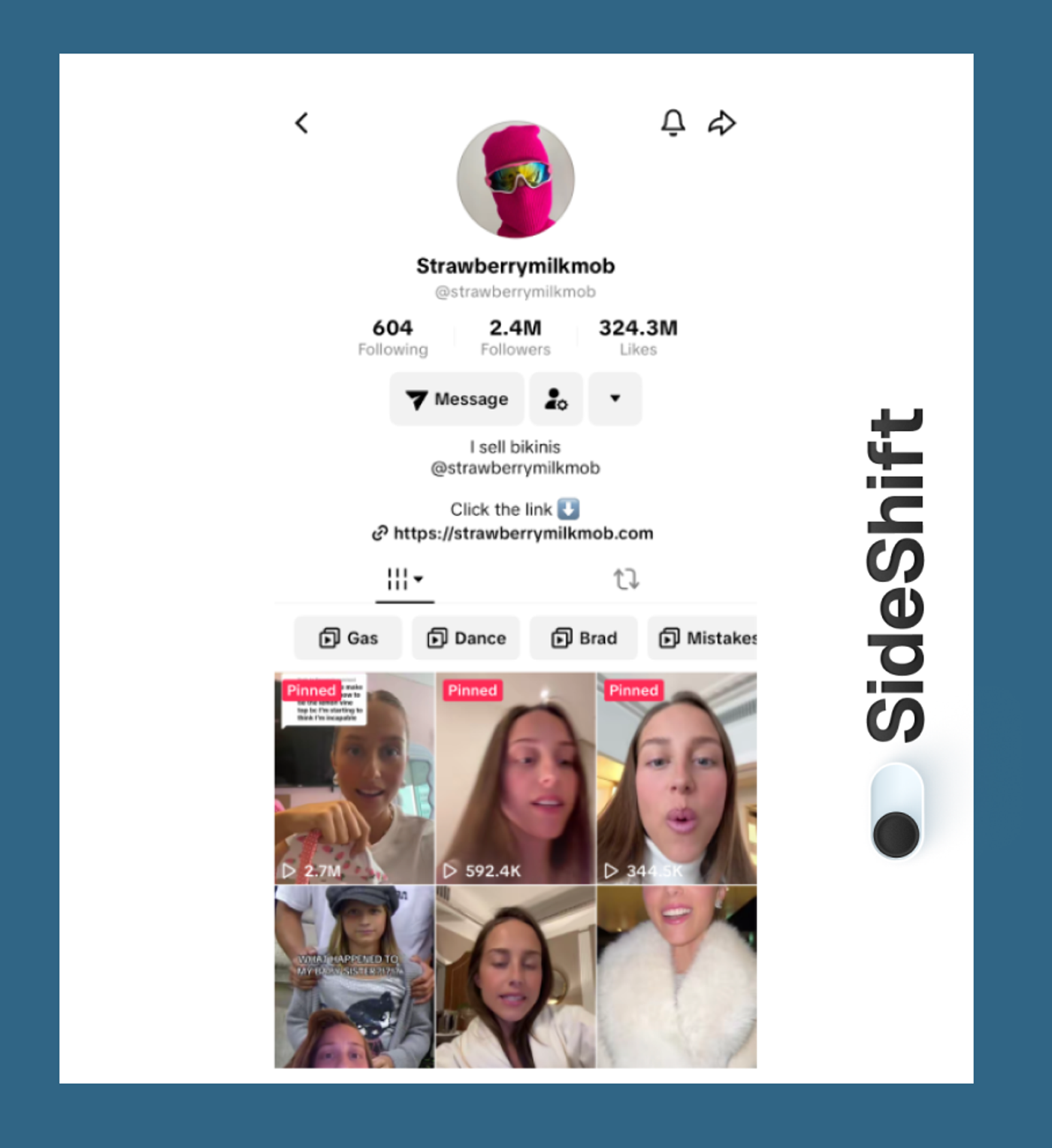
Georgia Costello launched Strawberry Milk Mob in 2018, building a community of over 2.3M TikTok followers around her personal, unfiltered content. She's an influencer by definition, but she’s also the brand.
When the classic brand style content wasn't working to promote her bikini business, she shifted to just being herself on the brand account. And that’s when everything changed. This approach demonstrates one of the most powerful principles in 2026 influencer marketing: intentional imperfection. Or rather, accepting the imperfections, embracing them, and scaling anyway.
She shared in a 2022 interview:
“One shot. It’s more sincere and natural. I think that’s why maybe some people enjoy watching my videos - because it’s just very raw. When I first started making TikToks for my business, they would be very planned out, very edited. They would look amazing. Nobody wants to see that. There’s so much of that out there. People don’t want to be sold something. They don’t want to see all the fakeness.”
Costello posts around 10 TikToks every day on her brand account, usually first thing in the morning, and often they have nothing to do with the brand or bikinis themselves.

And even when she does mention spotlight the brand, the promotional content is not overly produced. It remains comedic, light, entertaining, and authentically her.

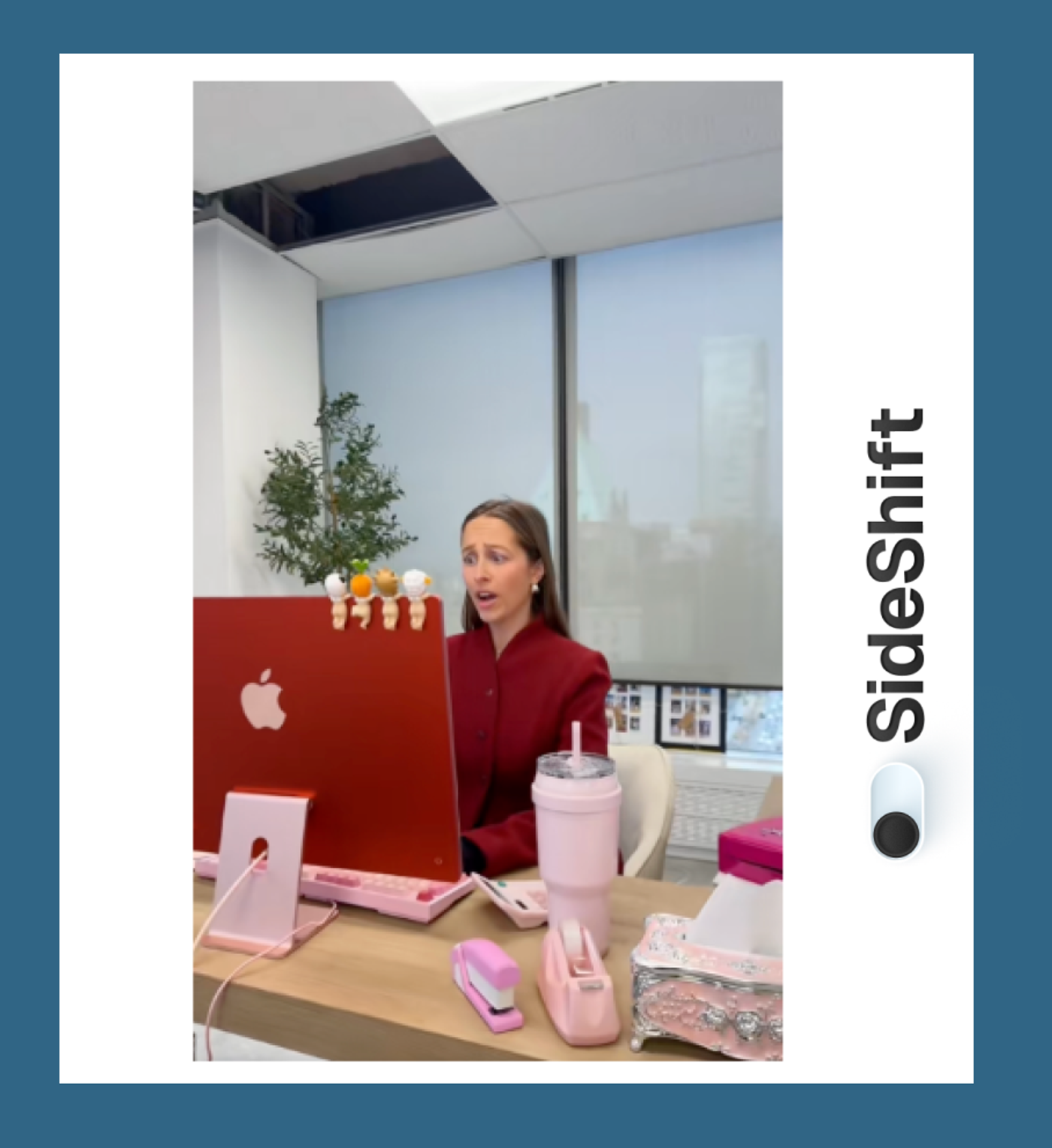
Embracing a “done is better than perfect” mindset, she embodies the growing movement, especially in the age of AI, toward human touch, rawness, and chosen heartfelt imperfections. And it’s certainly working. Her 2025 Forbes 30 Under 30 recognition underscores the power of authenticity-driven influencer strategy, proving that community-led brands like Strawberry Milk Mob can scale quickly when content feels real.
Want to put this into practice?
SideShift connects you with vetted UGC creators who actually deliver. Start your free trial and post your first job in under 10 minutes.
Milestone Marketing
Anna Sitar X Runna
Watch the Post
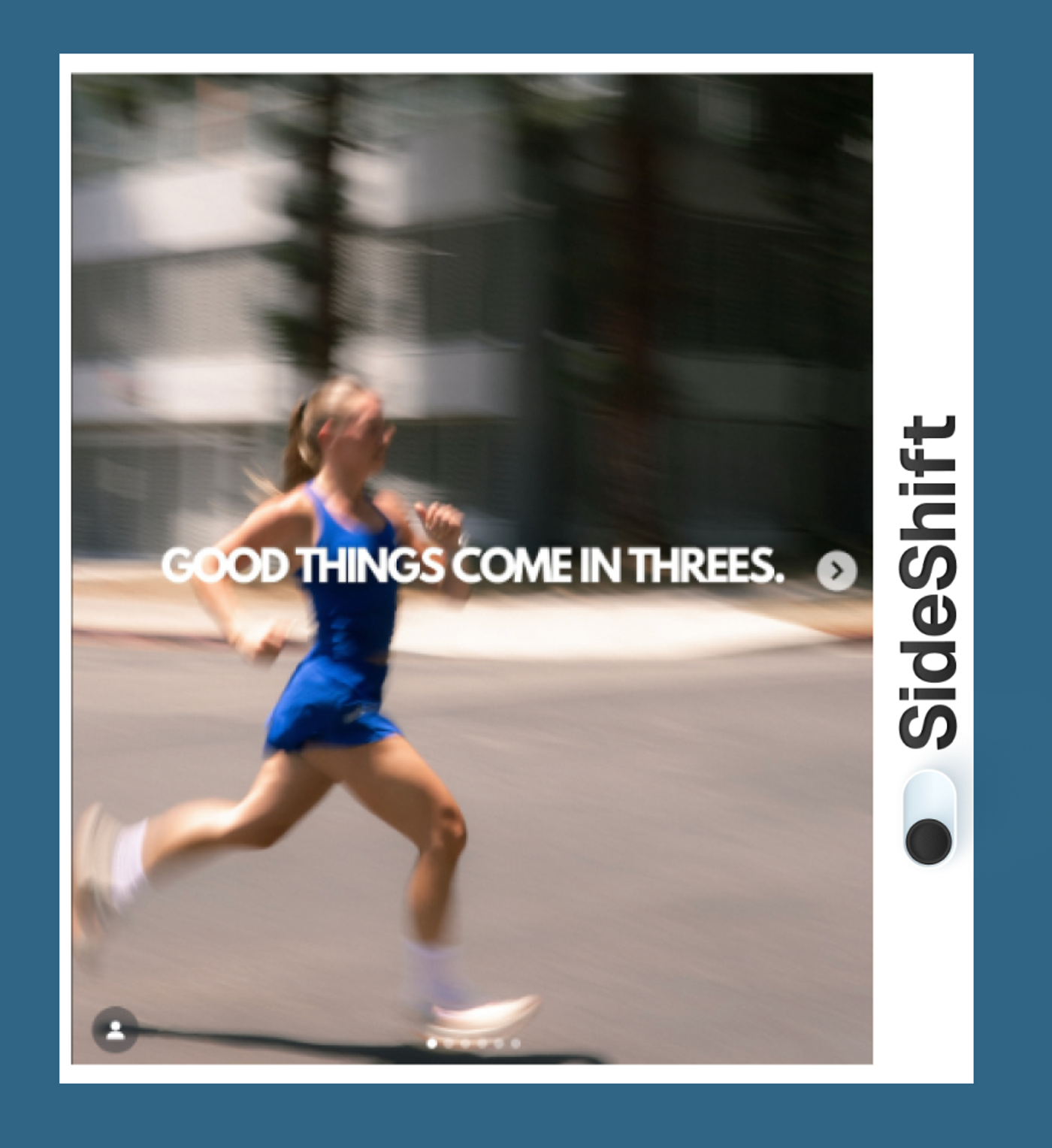
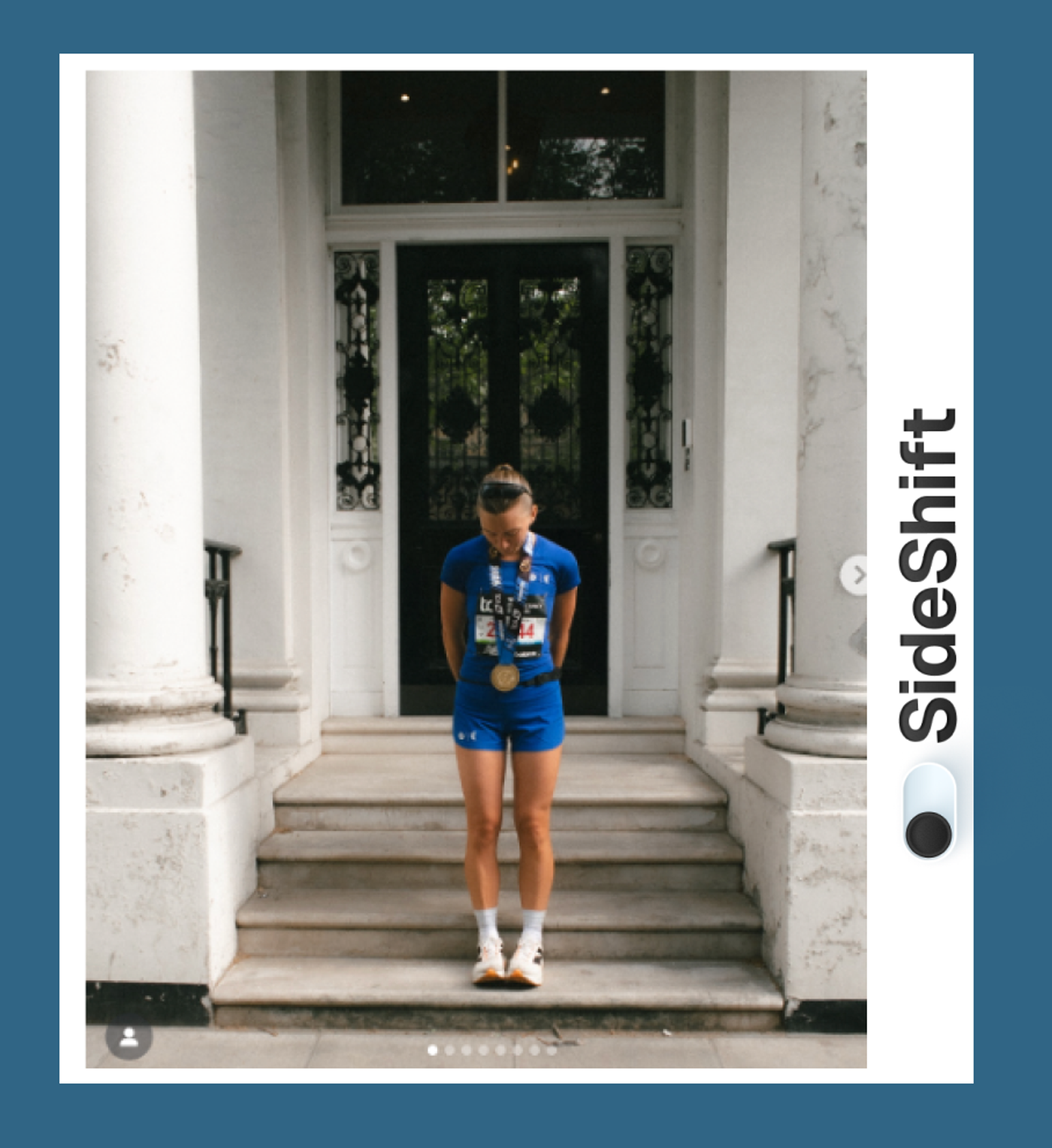
Anna Sitar, with 11.7M followers, recently entered her marathon-training era, and Runna partnered with her at the perfect moment. Rather than pushing a forced sponsorship, the brand was able to integrate into her existing journey, supporting her as she trained for the London Marathon, NYC Marathon and beyond.
This subtle, journey-driven partnership demonstrates the power of joining influencers at meaningful stages of their lives and the long lasting integration with their story. DTC wellness is a category experiencing major growth and market potential in 2026, and these brands in particular can benefit from aligning with creators during transformative, high-visibility moments.
Watch the post
This is the perfect example of milestone marketing, where Runna wasn’t manufacturing a narrative, they were supporting one that was already compelling.
Eli Rallo X Reformation
Another example of milestone influencer marketing is Eli Rallo’s book tour partnership with Reformation. Author and social media content creator Eli Rallo recently released a NYT bestseller, ‘Does Anyone Else Feel This Way?’, and the book tour presented the perfect opportunity for a celebrated lifestyle brand partnership. Reformation styled her looks for every stop on the tour, integrating the brand into her high-visibility life milestone without interrupting her narrative.
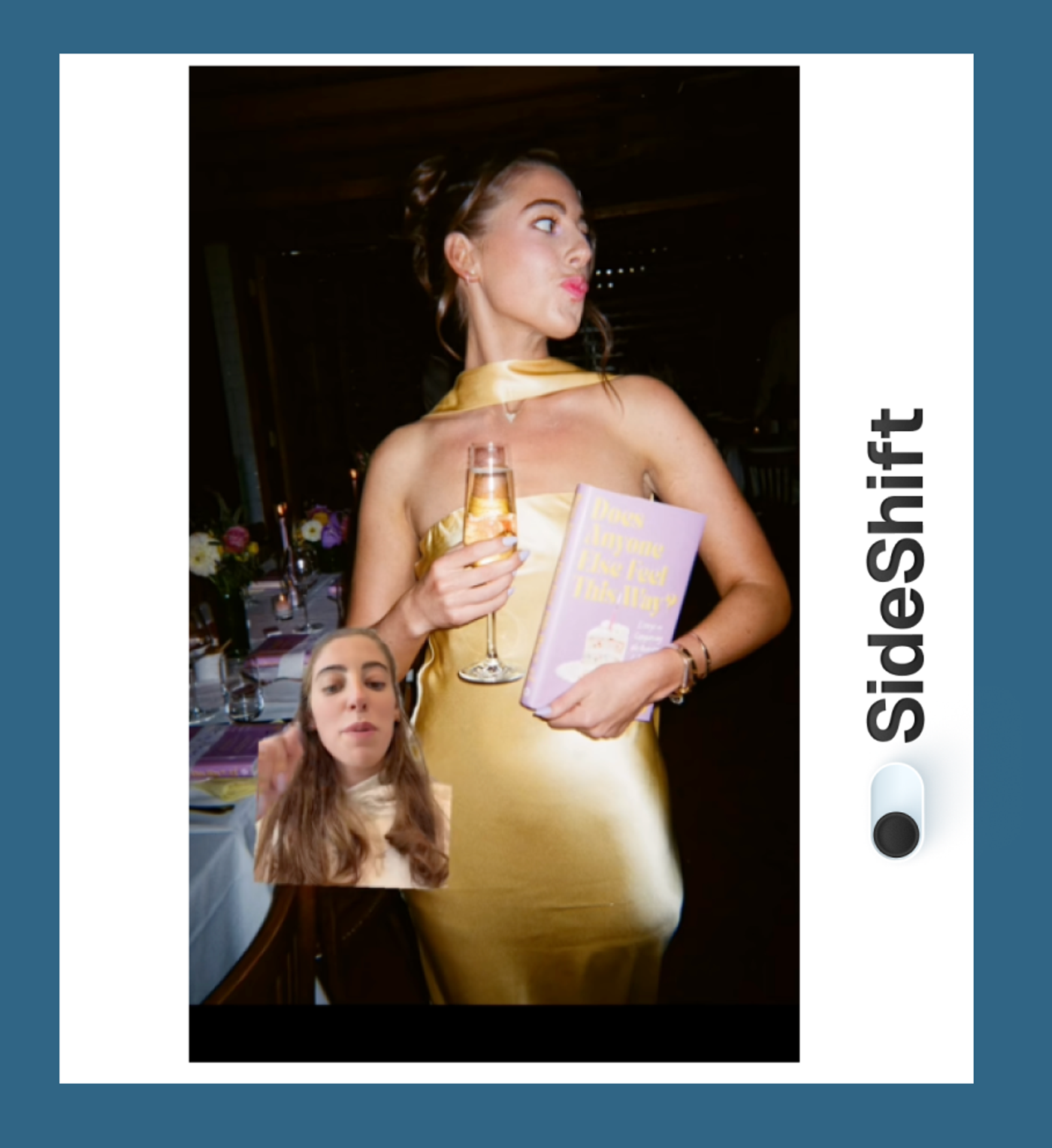
This is influencer marketing at its smartest: leveraging real life, real milestones, and real cultural moments, and translating those moments into word-of-mouth conversions through influencer led social media content creation, all while being involved subtly, not overtly salesy.
3. Scaling Wide Rather Than Deep
Anne Pascale X The Paper Store - UGC Nano Influencer Collab
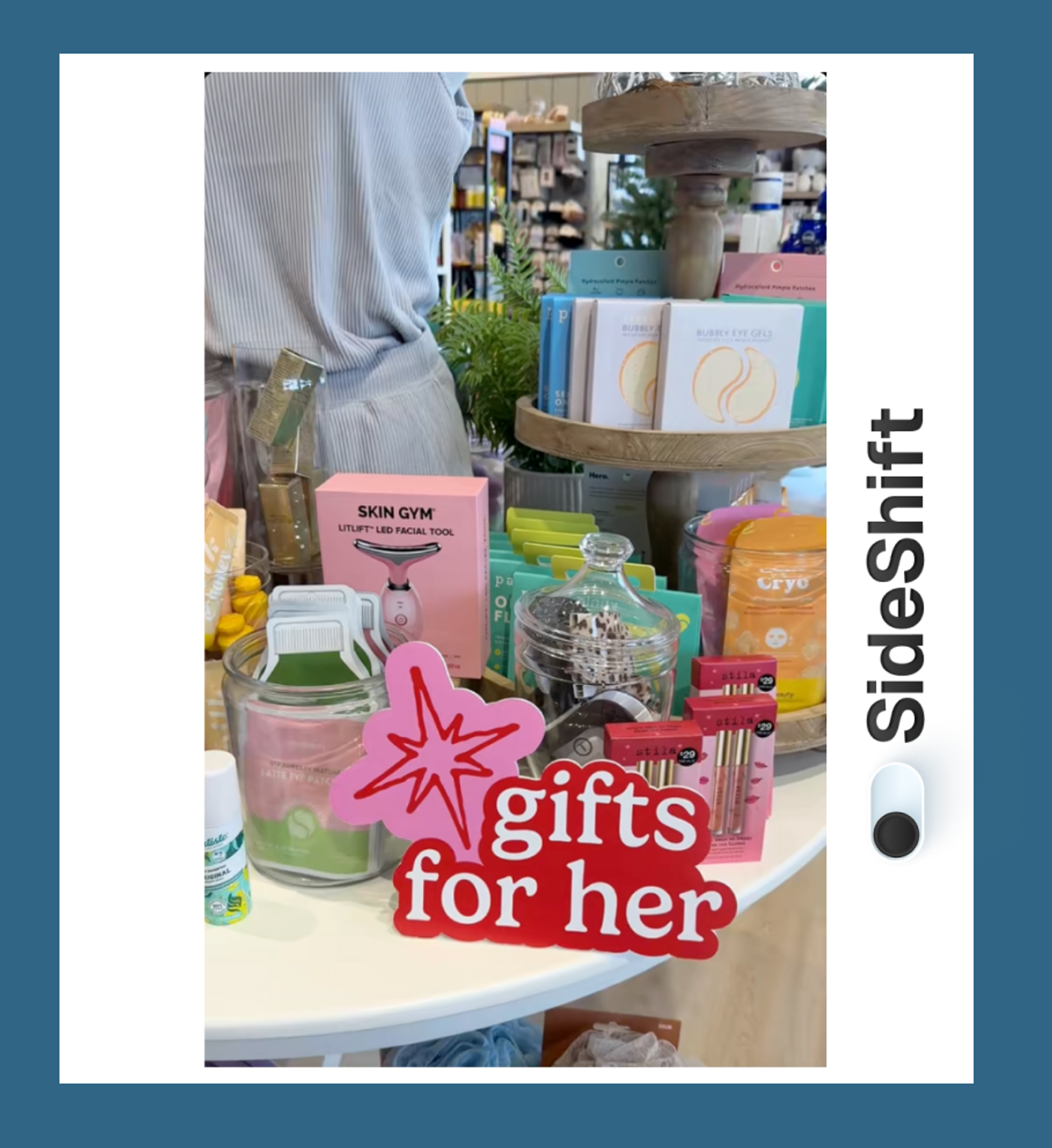
In 2026, high-volume UGC is transforming influencer marketing. Anne Pascale, a nano creator with just 1.5K followers on Tik Tok, partnered with The Paper Store to create authentic, community-driven content for a holiday shopping campaign. Rather than relying on a single macro influencer, The Paper Store leveraged several smaller creators like Anne to produce a high volume of relatable content that feels even more genuinely peer-driven.
This approach highlights a key shift: going wide instead of deep. Traditional influencer marketing often invests heavily in a few high-reach creators, which can be costly and risky. By contrast, distributing an equal or lessor budget across many smaller creators allows brands to:
- Build more authentic connections through trusted micro-communities
- Generate diverse, scalable content that can be repurposed across platforms
- Lower production and talent costs while maximizing ROI
- Drive higher conversion efficiency as niche audiences are more likely to act on recommendations
Platforms like SideShift make executing this “wide UGC” strategy seamless, connecting brands with numerous vetted creators and enabling high-volume campaigns without sacrificing alignment, authenticity, or measurable KPIs. For brands looking to scale influencer marketing in 2026, leveraging smaller creators through a structured UGC program is often more effective than betting on a few big names.
Want to put this into practice?
SideShift connects you with vetted UGC creators who actually deliver. Start your free trial and post your first job in under 10 minutes.
Common Pitfalls and How to Avoid Them
Even the most carefully planned influencer campaigns can stumble if certain pitfalls aren’t addressed. The most common issue is misalignment between the brand and the influencer. Working with creators whose audiences or values don’t match your brand can result in low engagement or negative perception. Another challenge is unclear campaign objectives: without measurable goals, it’s difficult to know whether a campaign succeeded or failed. Additionally, over-managing or under-guiding influencer content can reduce authenticity, making posts feel forced rather than genuine. To avoid these pitfalls, brands should prioritize careful influencer selection, clearly define campaign goals, provide structured yet flexible creative guidance, and track performance metrics closely. Consistent communication and iterative learning help ensure campaigns stay on track and deliver results.
Even strong campaigns can falter without the right foundation. The biggest pitfalls include:
- Poor brand-creator alignment
- Unclear or undefined goals
- Overly scripted content that kills authenticity
- Lack of communication
- Limited tracking and performance optimization
To avoid these issues, brands should vet creators carefully, set specific KPIs, allow creative freedom, and maintain strong communication workflows. Continual optimization ensures campaigns stay on track and deliver consistent ROI.
Key Takeaways
Influencer marketing in 2026 succeeds when authenticity, strategy, and context come together. Audiences crave content that feels human and relatable, and influencers are trusted peers who can drive engagement, conversions, and brand loyalty. Milestone marketing strengthens emotional resonance and creates long-lasting positive associations, as seen with Anna Sitar x Runna and Eli Rallo x Reformation. High-volume UGC from micro and nano creators is increasingly effective, allowing brands to scale relatable content across multiple touchpoints at lower cost, while still delivering measurable results, exemplified by Anne Pascale x The Paper Store. Campaigns also perform best when content is platform-native, repurposable, and guided by clear goals with ongoing optimization through real-time analytics.
To execute these strategies at scale, brands need structured workflows and the right tools. If you’re taking the content creation in house, don’t get too caught up in the planning and polishing. If you’re engaging creators to help you, give them the freedom to speak and create from their own voice and perspective in relation to your brand. Avoiding common pitfalls such as misalignment with creators, unclear objectives, over-scripted content, and poor tracking is critical to maintaining authenticity and maximizing ROI. Platforms like SideShift simplify high-volume UGC campaigns by connecting brands with vetted creators, managing contracts, analytics, and payouts all in one place.
Explore vetted creators on SideShift to turn high-volume UGC into measurable growth for your brand.
FAQs
1.What are the most effective influencer marketing strategies in 2026?
The most effective strategies focus on authenticity, micro- and mid-tier creators, content that feels native to each platform, and campaigns with clear, measurable objectives. Always-on programs and iterative testing also maximize ROI.
2. How do micro-influencers compare to macro-influencers for ROI?
Micro-influencers typically deliver higher engagement rates and more trust per follower, which often results in better ROI. Macro-influencers may generate broader awareness, but engagement and conversion can be lower relative to cost.
Want to put this into practice?
SideShift connects you with vetted UGC creators who actually deliver. Start your free trial and post your first job in under 10 minutes.
3. What metrics should I track in influencer marketing campaigns?
Key metrics include engagement rates, click-through rates, conversions, sales, audience growth, and ROI. Tracking content performance across platforms helps optimize both creative and budget allocation.
4. Can influencer campaigns drive direct sales, or just brand awareness?
Modern influencer campaigns can drive both. With clear goals, proper tracking, and CTA-focused content, influencers can directly influence purchases while also boosting brand awareness and trust.
5. How do I choose the right influencers for my brand?
Look for audience alignment, engagement quality, content style, authenticity, and prior experience with similar campaigns. Micro- and mid-tier influencers are often more cost-effective and better at fostering trust within niche communities.