
How to Become an Influencer in 5 Easy Steps
This guide breaks down how to become an influencer who creates consistently, attracts real audiences, and earns through brand deals.
Table of Contents
How to Become an Influencer in 5 Easy Steps
It’s a common myth that becoming an influencer is about luck or looks. It’s really about structure, knowing how to start, what to build first, and how to grow without burning out.
If you’ve ever wanted to take content creation seriously but didn’t know where to begin, this guide will show you how to become an influencer in a way that aligns with you.
Step 1: Identify your niche
When people think of influencers, they picture beauty tutorials or fashion hauls. It looks glamorous. But that’s only one small part of the creator world. Almost any niche can build an audience if it’s shared with clarity and consistency. The key is figuring out what you can bring to the table that feels natural, not forced.
The best niches often start from personal curiosity, not expertise.
Start by asking yourself a few things:
- What do you find yourself talking about a lot, even when no one’s paying you for it?
- What problems do people come to you for advice on?
- What topics do you read or watch content about, even when you’re not trying to “grow”?
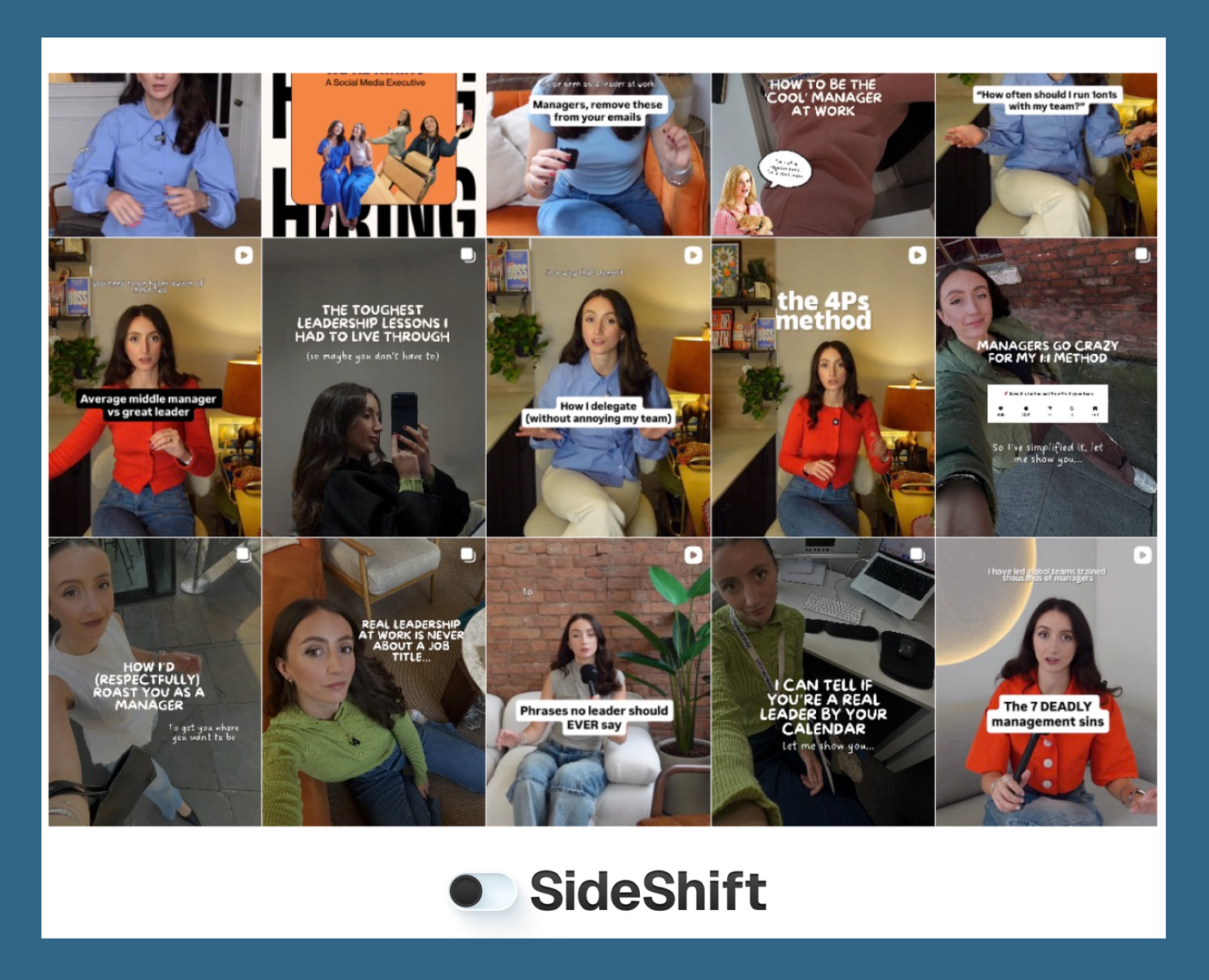
For example, some creators focus on career and leadership.
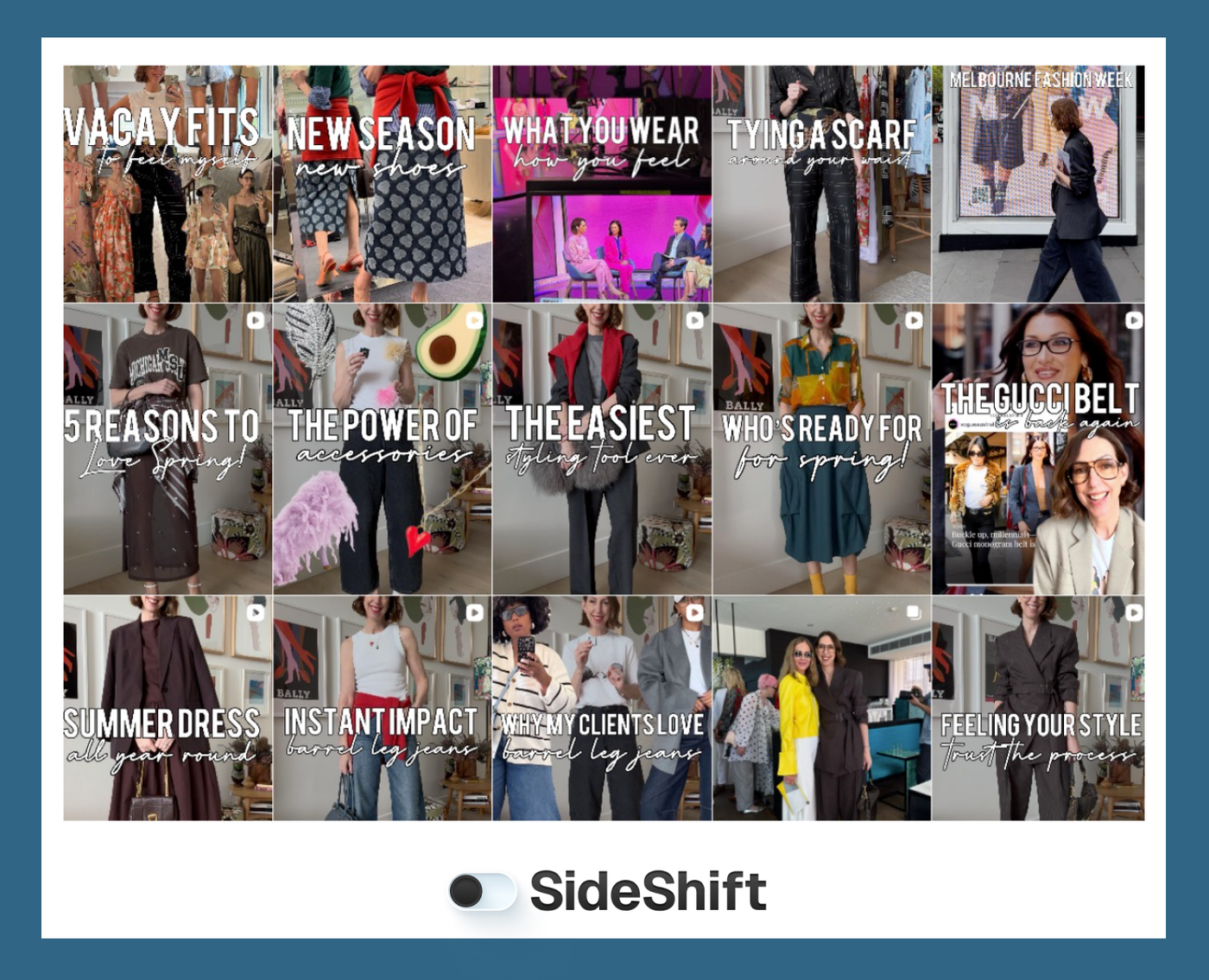
Others lean into fashion and personal style
And some carve out a niche in education and awareness, simplifying complex topics like tech, cybersecurity.
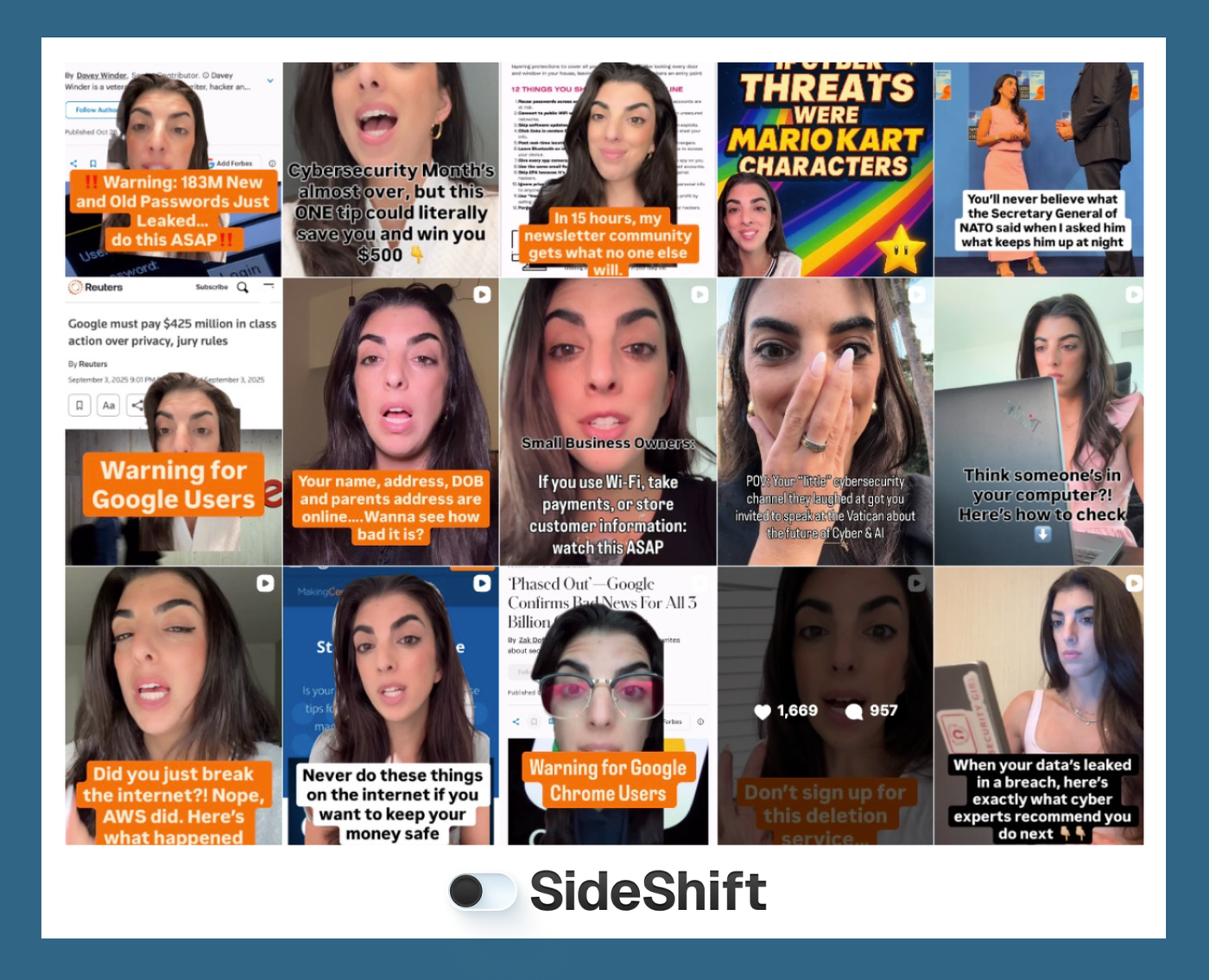
Your niche doesn’t have to look like anyone else’s. It just has to start from something you genuinely care about and can talk about often.
Step 2: Learn how your niche already works online
Every niche online already has patterns: what topics get attention, what formats work best, what audiences respond to, and where there are gaps. Understanding these patterns early helps you make content that fits and stands out.
Start by searching your niche on TikTok, Instagram, and YouTube. Note which videos or posts are performing well, not just in views, but in engagement. Pay attention to:
- Format: Are top creators using short storytelling, tutorials, voiceovers, or direct talk-to-camera videos?
- Tone: Are they casual, educational, opinionated, or aspirational?
- Comments: What are people asking for more of, or complaining about? They show what people like, or don't like
Then go one layer deeper: identify 3–5 creators in your space who are doing it well. Instead of copying what they do, ask: where do I fit in this landscape?
Maybe you can explain complex ideas in simpler terms. Maybe your take is more grounded, or your experience is from a different angle. Write those differences down. That’s your entry point.
A big part of becoming an influencer isn’t just getting likes or comments. It’s learning how to actually influence people. Real influence means your content can shape opinions, drive action, or make someone try something because they trust your judgment.
Step 3: Start posting content consistently
Once you know your niche, the next step is to start making content, but not one post at a time. The most efficient way to stay consistent is to batch create. It saves you time, keeps your ideas organized, and stops you from burning out trying to post daily.
Want to put this into practice?
SideShift connects you with vetted UGC creators who actually deliver. Start your free trial and post your first job in under 10 minutes.
Here’s a simple system that works even if you’re just starting out:
1. Pick a day to brainstorm.
Spend one day each week just thinking. List out ideas that fit your niche, things you’ve learned, trends you can join, products you want to try, or common questions your audience might have. Write down as many as you can without worrying about execution.
2. Use the next one or two days for creation.
Film, write, or record everything you can in focused blocks. You might create five short videos, a few photo sets, or several captions at once. Keep your setup ready (lighting, tripod, mic) so you can move fast.
3. Set aside time for editing and posting.
Dedicate one day to cleaning up your content, edit, add captions, schedule uploads, and write descriptions.
Don’t get stuck perfecting every post. Most creators waste time tweaking captions, filters, or cuts that barely matter. Instead:
- Focus on clarity, what’s the message or takeaway?
- Post regularly, even if it’s not flawless.
- Treat every upload as practice, not proof.
4. Pick a timeline you can sustain.
Maybe that’s three posts a week or one a day, choose what fits your schedule and energy. What matters most is staying consistent. Over time, your output improves naturally, and your audience starts to recognize your rhythm.
Try different ideas: tutorials, opinions, product rundowns, story-based posts, or even reaction videos. The goal isn’t to go viral but to figure out what kind of content feels natural for you and gets a response.
Step 4: Make your profiles look professional
When someone visits your page, whether it’s a follower or a brand manager — they should be able to tell three things within seconds: who you are, what you create, and why people follow you.
Start with the basics:
- Profile photo and bio: Use a clear photo and write a short bio that says who you are and what you create. Avoid vague lines, be specific enough that someone new immediately knows your niche.
- Highlights or pinned posts: Keep your best work at the top. Pin posts that show your style, results, or collaborations. If you’ve worked with brands, feature those clearly.
- Username and handles: Keep them consistent across platforms so people (and brands) can find you easily.
Here's an example of a profile that is clear, and professional:
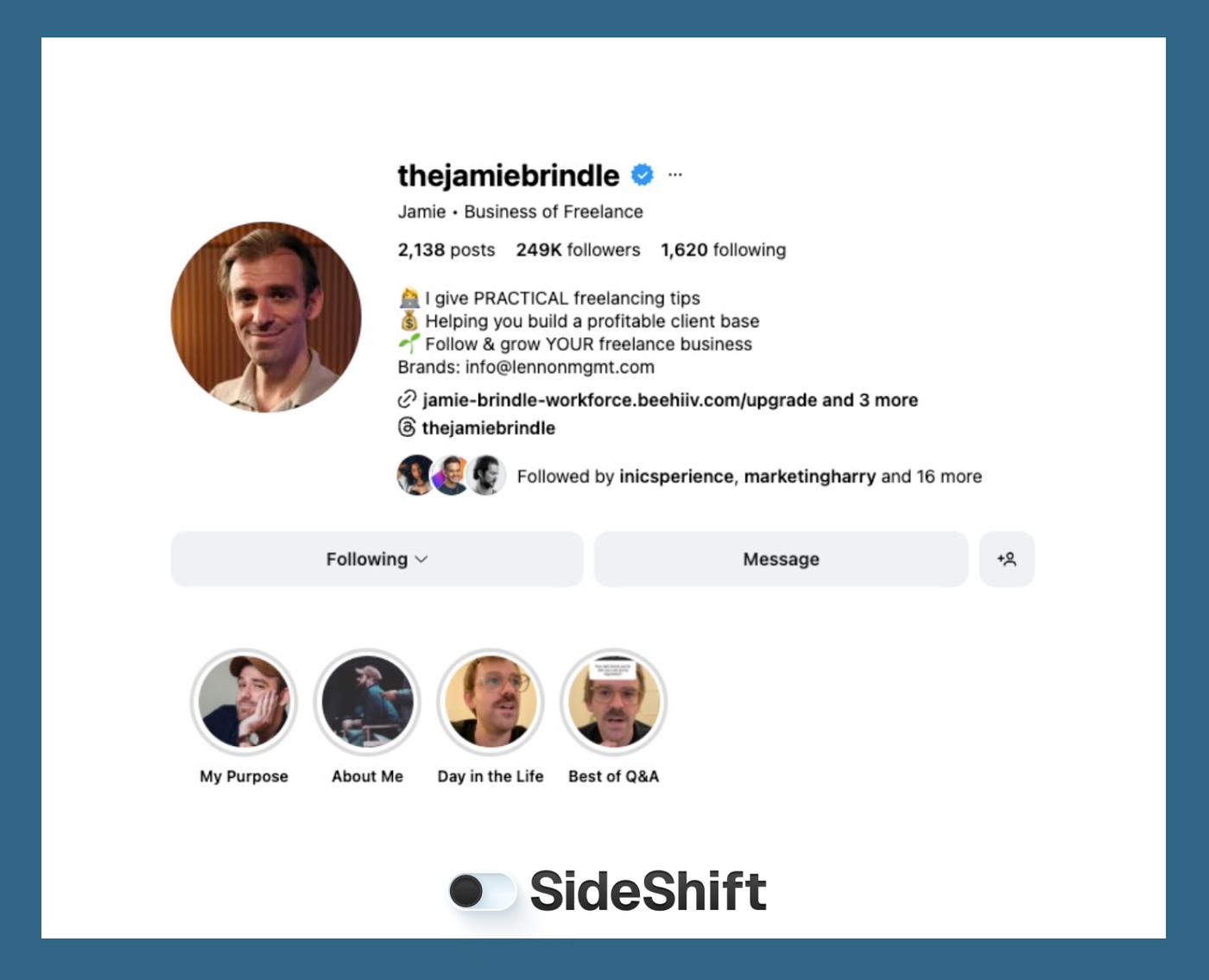
Look at your overall feed. Does it reflect what you actually talk about? You don’t need to curate everything to be aesthetically beautiful. Just make sure your content aligns with the niche you’re building. Archive old posts that confuse your message or make your page feel unfocused.
Finally, make it easy to contact you. Add an email or link to your creator portfolio so opportunities can reach you directly.
Step 5: Learn how to work with brands
Creating takes time, effort, and often your own resources. Collaborating with brands is how you turn that effort into something that pays back.
Want to put this into practice?
SideShift connects you with vetted UGC creators who actually deliver. Start your free trial and post your first job in under 10 minutes.
But don’t need a massive following to have impact. Brands today prefer working with different types of influencers.
There are mainly four types of collaborations:
- Barter/gifting: You get free products in exchange for content.
- Affiliate: You earn a small commission from sales.
- Flat fee: You’re paid upfront for creating branded content.
- Hybrid: You get a combination of product, fixed fee, or commission. For example, it can be $100 for the video + free product, or a fixed fee of $100 + 10% on sales.
When you’re starting out, most collaborations won’t involve direct payment. Many brands begin with barter deals, where you receive a free product in exchange for content. It’s not glamorous, but it helps you build examples of branded work you can later show to other companies. Only work with products you’d actually use or recommend.
Next comes affiliate marketing, where you earn a small commission for every sale made through your link or code. It’s a low-risk way for both sides to test what kind of content converts.
Here’s what a simple affiliate post looks like, the creator promotes a product, and includes their unique link or discount code.
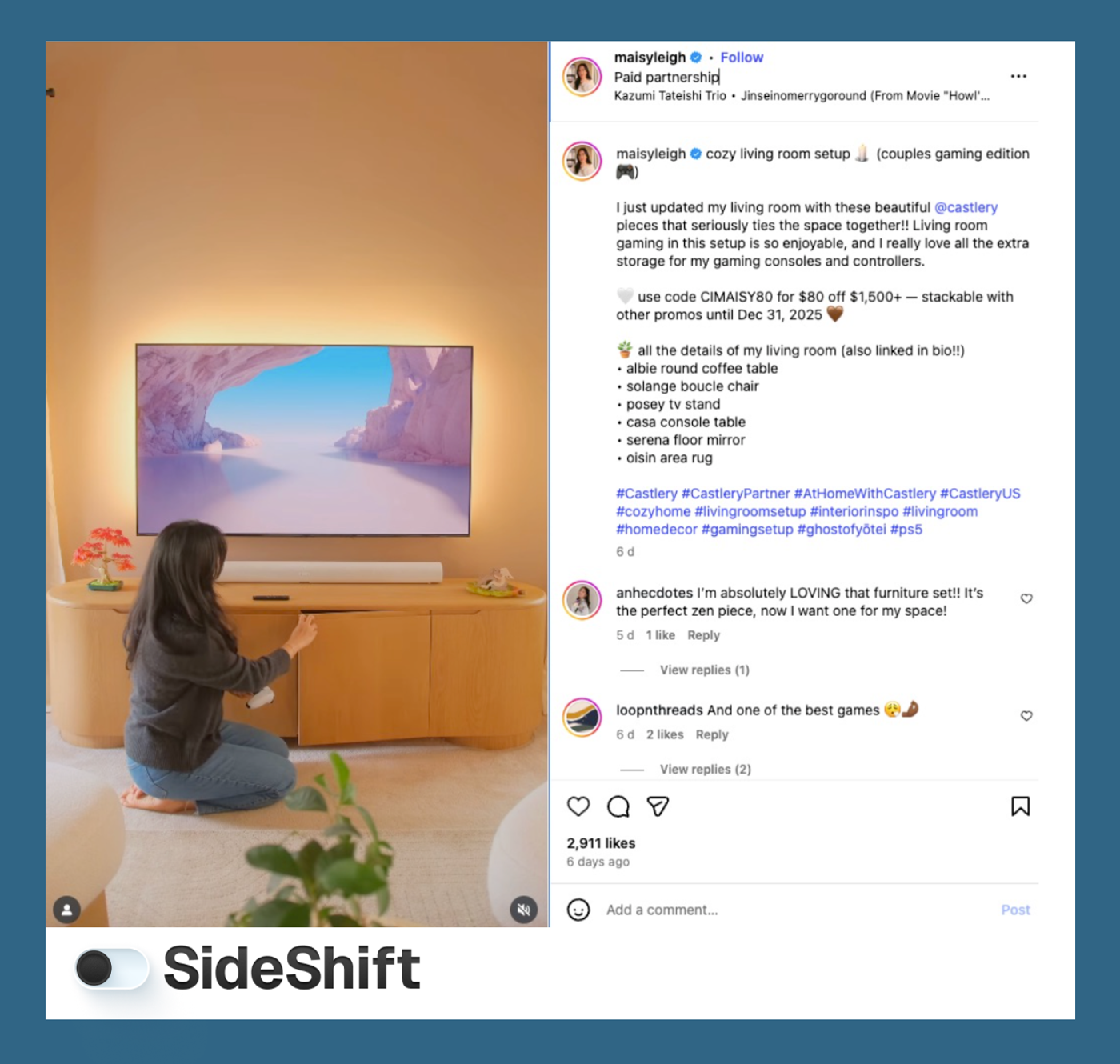
Once you’ve built an engaged audience and have data to show (like consistent engagement rates or affiliate conversions), you can start charging flat fees or package rates for sponsored posts. That’s when upfront payment becomes realistic.
But you don’t have to wait for a brand to DM you to start earning. Platforms like SideShift make it easier to get started.
On Sideshift, you can browse paid campaigns across categories, from lifestyle and skincare to fitness or tech, and apply in one tap. Brands post what they need, and you submit directly through the app without worrying about contracts or payment delays. Once your content is approved, payouts happen instantly.
After your first few campaigns, review what worked. Did your post drive engagement? Did the brand repost your content? Use that feedback to improve your next pitch or refine your content style.
Common pitfalls to avoid when becoming an influencer
1. Trying to be everywhere at once
You don’t need to post on every platform. Pick one or two where your audience already spends time and focus your energy there. Spreading too thin usually leads to burnout, not growth.
2. Copying other creators too closely
It’s smart to study what works, but not to imitate it. If your content feels like someone else’s, people won’t remember you. Borrow ideas, not identity — always add your own tone or angle.
3. Chasing trends without purpose
Trends can help you grow fast, but if that’s all you do, your audience won’t know what you actually stand for. Use trends that fit your niche or message, and skip the rest.
4. Using copyrighted music or clips without permission
Licensed music, TV clips, or other creators’ footage can get your content removed or monetization blocked. Use properly licensed assets or royalty-free alternatives.
Want to put this into practice?
SideShift connects you with vetted UGC creators who actually deliver. Start your free trial and post your first job in under 10 minutes.
5. Treating it like a hobby forever
You can’t turn ‘influencing’ into a career if you don’t treat it like work. Track your time, plan your content, and learn the basics of brand partnerships and money management early. It’s still creative but just more intentional.
Get started this week
The best thing you can do this week is take one small, real step toward working with brands. That could mean refining your niche, polishing your profile, or reaching out for your first collaboration.
If you’re not sure where to start, try using SideShift. It’s a platform built to help new creators find real, paid opportunities even if they don't have thousands of followers.
Browse campaigns across categories like beauty, lifestyle, tech, or finance. Payouts happen instantly once your work is done.
Try SideShift today and explore all the gigs that can help you earn money, and get started with content creation.
FAQs
1.Is it too late to become an influencer today?
No, new influencers grow every day. Success depends more on niche, consistency, and content quality than timing.
2. What’s the first step to becoming an influencer?
Choose a niche you can create content around consistently. From there, develop a recognizable style and posting rhythm.
3. Do influencers need to post daily?
Not necessarily. What matters is consistent value. Many successful influencers post 3–5 high-quality pieces per week.
4. How do influencers find their first brand collaboration?
Most start with small partnerships: affiliate programs, gifted deals, or pitching brands directly. A strong portfolio helps accelerate the process.
5. Do you need to be on multiple platforms to succeed?
It helps, but it’s not required. Mastering one platform first is often the fastest path to gaining traction.