
How Each Generation Discovers Social Media Influencers
Gen Z finds influencers on TikTok and Instagram, Millennials on Instagram and YouTube, Boomers on Facebook and Pinterest.
Table of Contents
How Each Generation Discovers Social Media Influencers
Social media influencer discovery isn’t one-size-fits-all. Different generations engage with platforms and creators in unique ways. Understanding these generational habits online is crucial for brands looking to connect with audiences effectively.
From TikTok trends shaping Gen Z’s attention to Facebook groups guiding Baby Boomers, influencer discovery reflects the intersection of platform preference, content style, and trust.
Why Influencer Discovery Varies by Generation
Generational differences in social media usage, content preferences, and trust levels influence how people find influencers. Younger generations are often guided by algorithms and social sharing, while older generations rely more on search, recommendations, and trusted communities. Recognizing these patterns helps brands tailor campaigns to reach each demographic efficiently.
Gen Z: Algorithm-Driven Creator Discovery
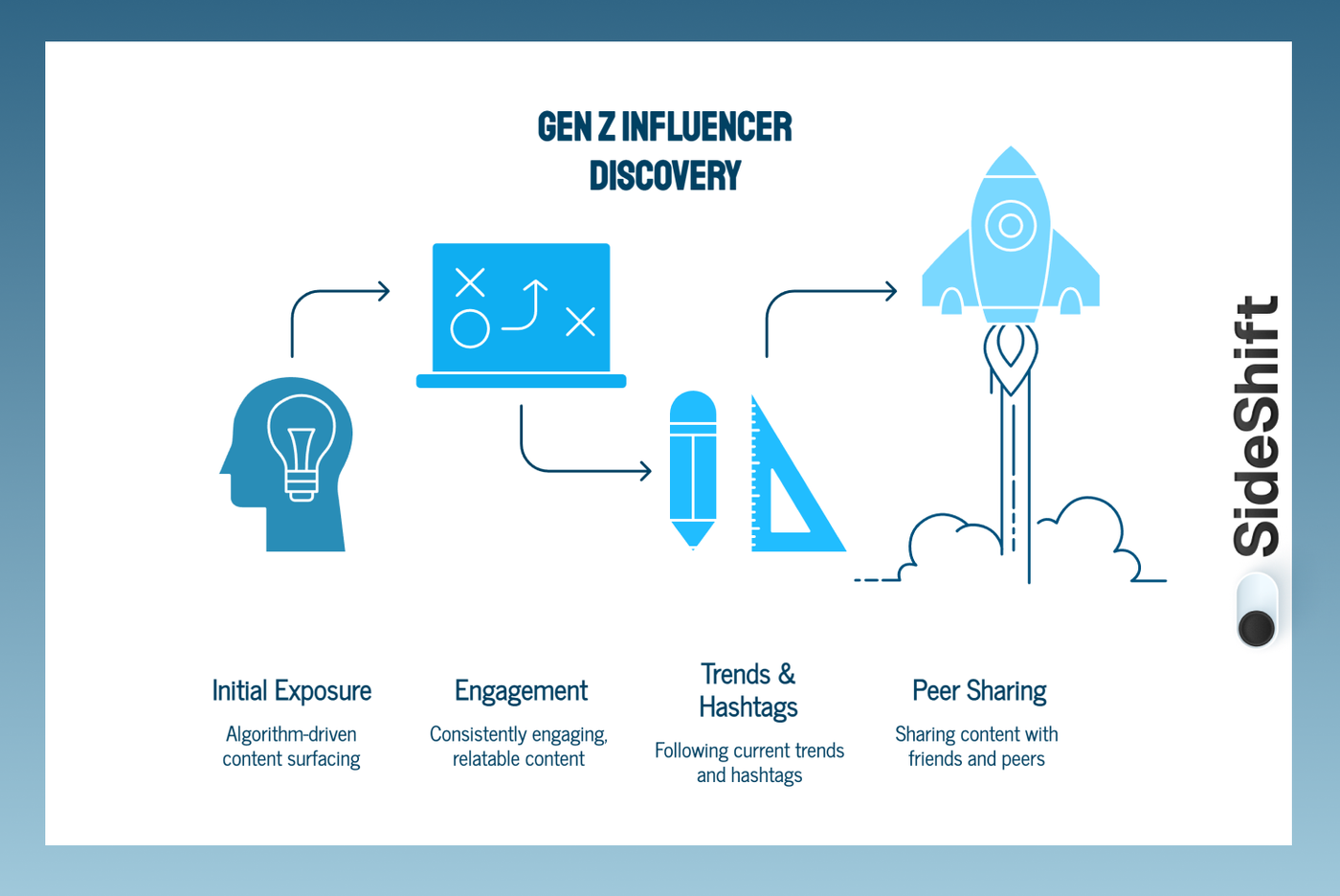
Gen Z, born roughly between 1997 and 2012, primarily discovers influencers through algorithm-driven platforms like TikTok, Instagram Reels, and YouTube Shorts.
Their feeds are highly personalized, meaning creators who consistently produce engaging, relatable content are more likely to surface in front of new viewers.
Trends, hashtags, and peer sharing also play a huge role, as Gen Z values authentic, short-form content over polished advertising.
Brands targeting this generation need to prioritize rapid, creative, and highly shareable content to capture attention.
Millennials: Platform + Search Discovery
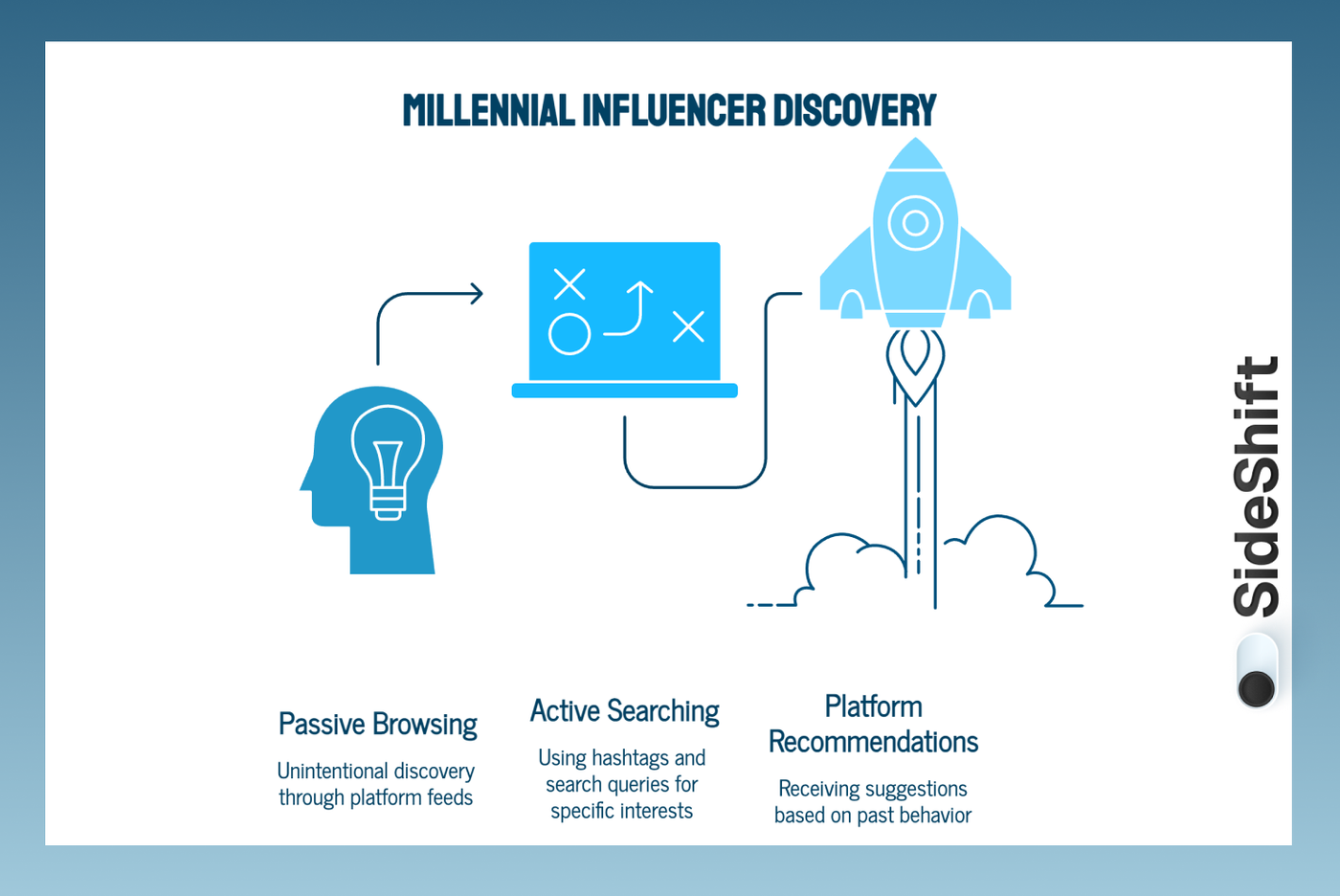
Millennials, born between 1981 and 1996, often discover influencers via a combination of platform browsing and search behavior. Instagram and YouTube remain dominant, with Facebook also seeing moderate engagement.
Unlike Gen Z, Millennials actively search for content or creators aligned with their interests, using hashtags, search queries, and recommendations. Influencers with consistent branding, niche expertise, and credibility perform particularly well with this audience.
Campaigns targeting Millennials should balance organic content discovery with strategic influencer partnerships and search-optimized content.
Gen X: Trust-Based Influencer Discovery
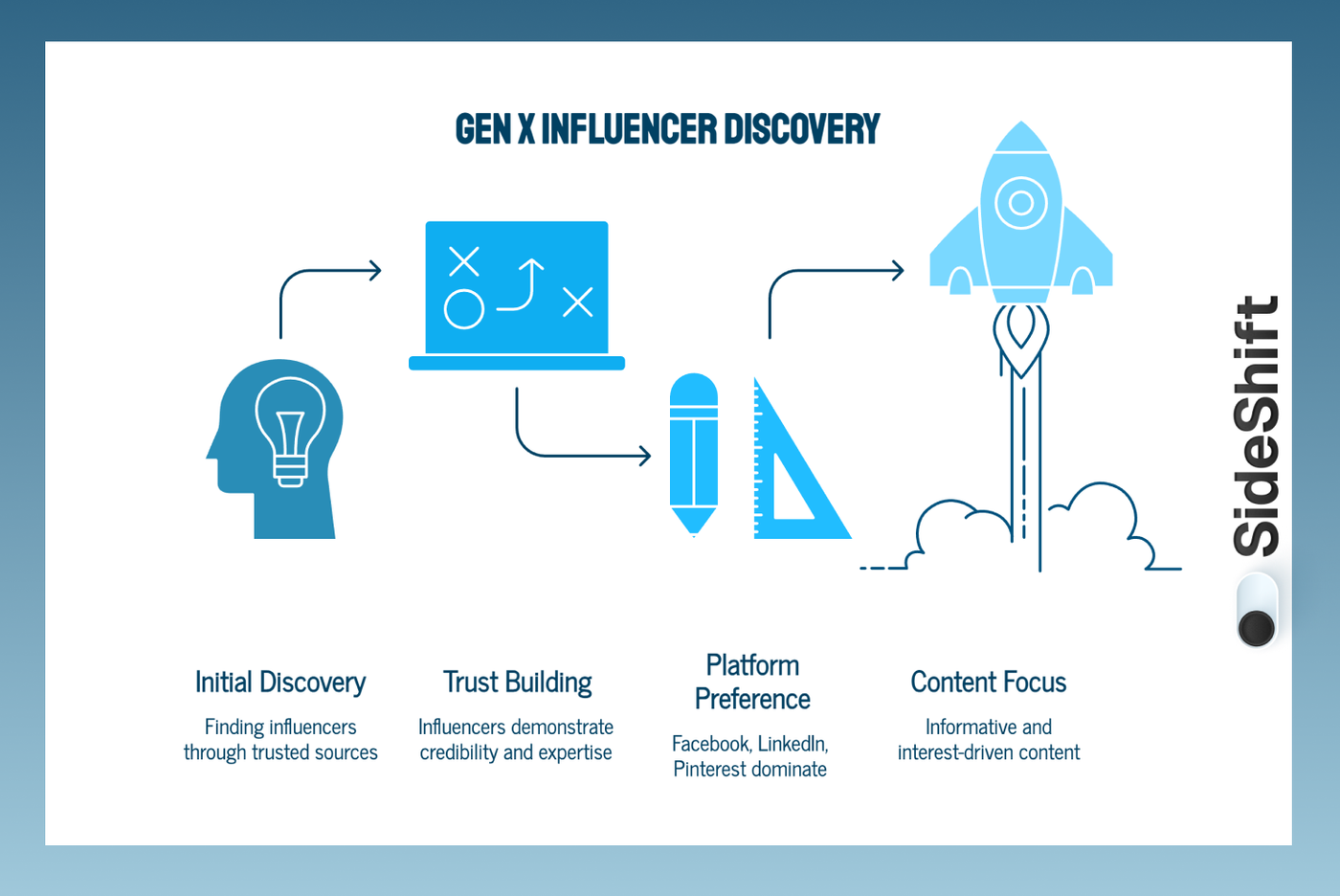
Gen X, born between 1965 and 1980, tends to find influencers through trusted sources, such as friends, email newsletters, or niche online communities. This generation values authenticity and expertise, so influencers who demonstrate credibility and experience in their field are more likely to be followed.
Platforms like Facebook, LinkedIn, and Pinterest dominate, reflecting Gen X’s preference for structured content and interest-driven exploration.
Brands should focus on building trust, providing informative content, and collaborating with influencers who are established in their niche.
Baby Boomers: Social + Interest-Based Discovery
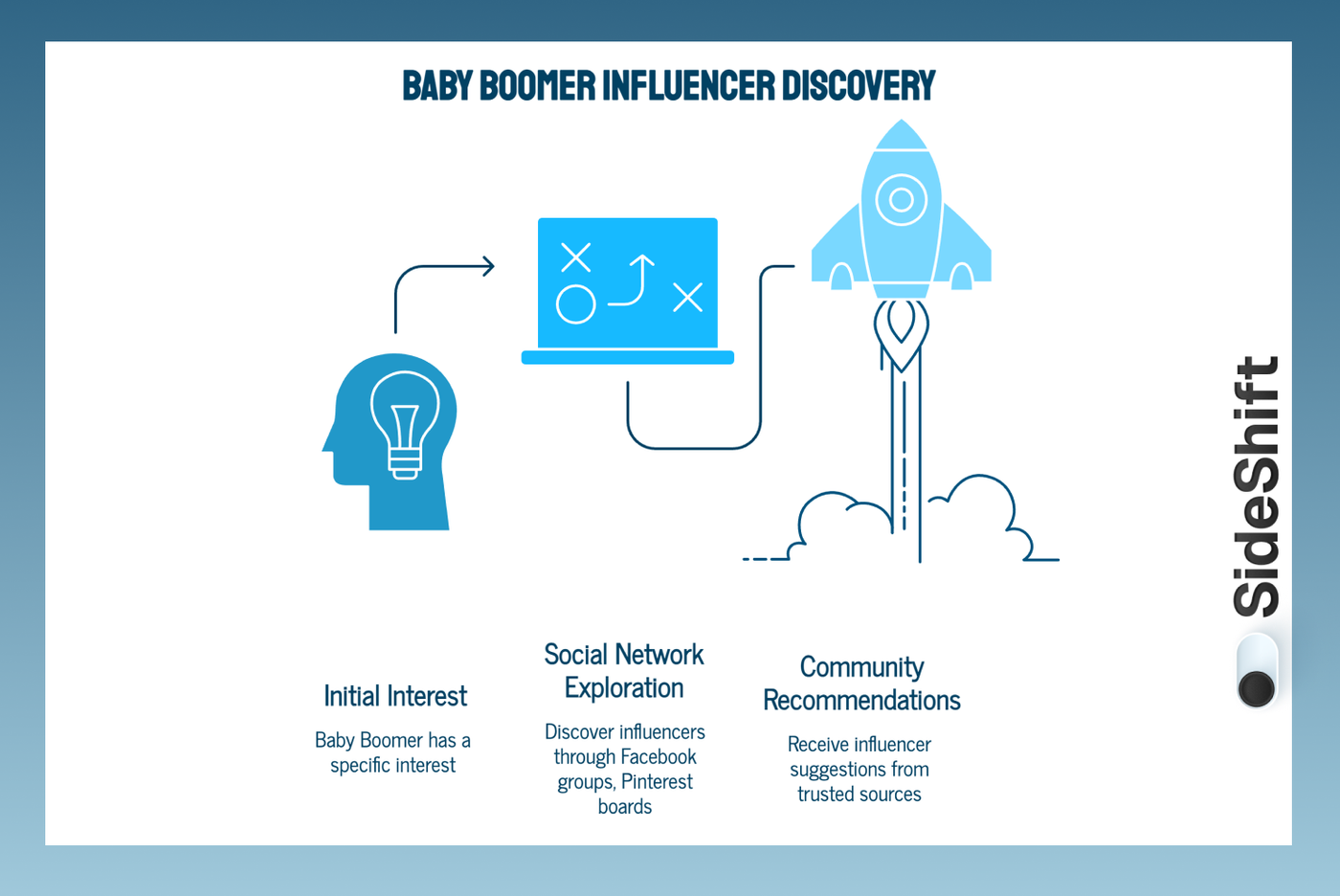
Baby Boomers, born between 1946 and 1964, generally discover influencers through interest-based social networks and community recommendations, including Facebook groups, Pinterest boards, and email lists.
This generation responds well to content that is clear, actionable, and relevant to their interests.
Influencer campaigns targeting Boomers should emphasize educational value, relatable storytelling, and step-by-step guidance rather than fast-moving trends.
Gen Z vs Millennials: Key Differences in Influencer Discovery
While both generations spend significant time online, Gen Z relies heavily on algorithmic discovery and trending content, whereas Millennials combine platform exploration with intentional search and recommendations.
Gen Z prefers bite-sized, entertaining content that feels native to the platform, while Millennials engage with slightly longer, informative content that helps them make informed decisions.
Recognizing these nuances allows brands to craft influencer marketing campaigns that resonate with each generation’s habits and expectations.
Want to put this into practice?
SideShift connects you with vetted UGC creators who actually deliver. Start your free trial and post your first job in under 10 minutes.
Platforms Where Influencers Are Growing Fastest in 2026
Which online platforms do Americans most commonly use?
https://www.pewresearch.org/internet/2025/11/20/americans-social-media-use-2025/
A bar chart showing that most U.S. adults use YouTube, Facebook, and half report using Instagram, YouTube, and Facebook remain the most widely used online platforms. The vast majority of U.S. adults (84%) say they ever used YouTube. Most Americans (71%) also report using Facebook. These findings are according to a Pew Research Center survey of 5,022 U.S. adults conducted Feb. 5-June 18, 2025.
Half of adults say they use Instagram, making it the only other platform in our survey used by at least 50% of Americans.
Smaller shares use the other sites and apps we asked about, such as TikTok (37%) and WhatsApp (32%). Somewhat fewer say the same of Reddit, Snapchat, and X (formerly Twitter).
This year, we also asked about three platforms that are used by about one-in-ten or fewer U.S. adults: Threads, Bluesky, and Truth Social.
Center studies also find that YouTube is the most widely used online platform among U.S. teens, as it is among U.S. adults.
Top Social Platforms Driving Influencer Discovery by Generation
According to a Pew Research Center survey of over 5,000 U.S. adults, YouTube and Facebook remain the most widely used platforms, with 84% and 71% of adults reporting they use them, respectively, while Instagram reaches roughly half of adults and TikTok about one-third.
These usage patterns reveal where influencers are most likely to be discovered and highlight the opportunities for brands to meet audiences where they already spend time.
YouTube’s wide adoption across all ages makes it ideal for long-form video campaigns, while Instagram and TikTok excel at engaging younger audiences with short-form, visually compelling content. Facebook remains a strong platform for Gen X and Boomers, particularly for interest-based communities and groups.
Understanding these trends allows brands to allocate influencer campaigns strategically, ensuring content is seen by the right generation on the right platform.
How Brands Can Reach Each Generation Through Influencers
- For Gen Z campaigns: Focus on short-form video, trends, and viral content on TikTok and Instagram Reels. Partner with creators who feel authentic and relatable.
- For Millennial campaigns: Use Instagram and YouTube, with a balance of entertaining and informative content. Niche expertise and search-friendly content are key.
- For Gen X campaigns: Leverage Facebook, Pinterest, and LinkedIn, emphasizing credibility, trust, and detailed product information.
- For Boomer campaigns: Focus on Facebook groups and Pinterest boards with educational, step-by-step content that addresses specific needs or interests.
Discover Influencers on SideShift
SideShift connects brands with Gen Z creators, providing tools to discover, hire, and manage campaigns efficiently. By partnering with Gen Z talent, brands can tap into emerging trends, reach younger audiences, and create authentic, high-impact content.
Whether your goal is to boost engagement on TikTok, Instagram, or other youth-driven platforms, SideShift streamlines campaign creation and ensures measurable results. Start finding the right Gen Z influencers for your brand today and turn creator collaborations into dynamic marketing campaigns.
Want to put this into practice?
SideShift connects you with vetted UGC creators who actually deliver. Start your free trial and post your first job in under 10 minutes.
Start your free trial on SideShift today.
FAQs
1. What is influencer discovery by generation?
It’s the way different age groups find and engage with social media influencers based on platform habits, content style, and trust preferences.
2. How does Gen Z find influencers?
Gen Z primarily discovers influencers through TikTok, Instagram Reels, and viral trends curated by algorithms.
3. How do Millennials discover influencers?
Millennials use a mix of Instagram, YouTube, and search behavior to find creators aligned with their interests.
4. Which platforms are best for influencer growth in 2026?
TikTok, Instagram, and YouTube Shorts are leading for younger audiences, while Facebook and Pinterest remain strong for older generations.
5. How can brands reach each generation effectively?
By aligning content format, platform, and influencer type with each generation’s discovery habits and trust preferences.