
Best Influencer Tracking Tools for Campaign Monitoring
The best influencer tracking tools help brands monitor campaign performance, measure ROI, and optimize creator partnerships with real-time analytics.
Table of Contents
5 Best Influencer Tracking Tools To Monitor Influencer Campaigns
Influencer marketing has become a key channel for brands looking to drive engagement, conversions, and ROI. But with so many creators, campaigns, and content formats to manage, it’s easy to lose track of what’s actually working. Influencer tracking tools help brands monitor performance, measure results, and optimize campaigns in real time.
In this article, we break down the 5 best influencer tracking tools that make it easier to track influencer performance, analyze metrics, and scale your campaigns efficiently. Whether you’re running a small campaign or managing high-volume UGC content, these tools give you the insights you need to maximize your influencer marketing strategy.
Why Influencer Tracking Tools Are Important
Influencer marketing has evolved into a performance-focused channel where results matter more than reach alone. Brands need clear data on what’s driving engagement, conversions, and ROI.
According to HubSpot, video formats continue to lead ROI as a content form, with short-form video performing the strongest, followed by long-form and live content.
Without proper tracking tools, campaign data becomes scattered, making it difficult to measure success or optimize effectively. Influencer analytics platforms solve this by centralizing performance data, allowing brands to quickly identify what’s working, eliminate guesswork, and scale winning strategies.
Without proper tracking, brands struggle to:
- Attribute conversions to specific creators
- Compare performance across campaigns
- Identify top-performing content formats
- Optimize spend and creative direction
Key Metrics to Track in Influencer Campaigns
Before selecting an influencer tracking tool, it’s important to understand which metrics truly indicate campaign success. Measuring the right data ensures that every dollar spent drives meaningful results rather than vanity metrics. According to Hootsuite, engagement and conversions are far stronger indicators of influencer effectiveness than follower count alone.
Core Influencer Campaign Metrics
These are the baseline metrics every brand should track to evaluate performance:
- Engagement Rate - Likes, comments, shares, and overall interaction
- Reach & Impressions - How many people saw the content
- Click-Through Rate (CTR) - Percentage of viewers taking action on links
- Conversion Rate - Leads, sign-ups, or purchases generated
- Cost Per Acquisition (CPA) - Campaign spend divided by conversions
- Return on Investment (ROI) - Revenue generated relative to campaign costs
Advanced Metrics for Scaling Brands
As campaigns grow in volume and complexity, these advanced metrics provide deeper insights:
- Content Retention Rate - How long viewers watch each video
- Hook Performance - Effectiveness of the first 3 seconds of content
- Creator-Level ROI - Performance metrics broken down by individual creators
- Content Iteration Performance - Tracking which variations perform best over time
Traditional influencer tracking tools often stop at core metrics, but high-volume UGC campaigns require more granular insights. Modern platforms like SideShift enable brands to track both creator-level performance and content-level data, allowing for faster iteration, optimization, and scalable growth.
5 Best Influencer Tracking Tools
1. SideShift (Best for High-Volume UGC Tracking)
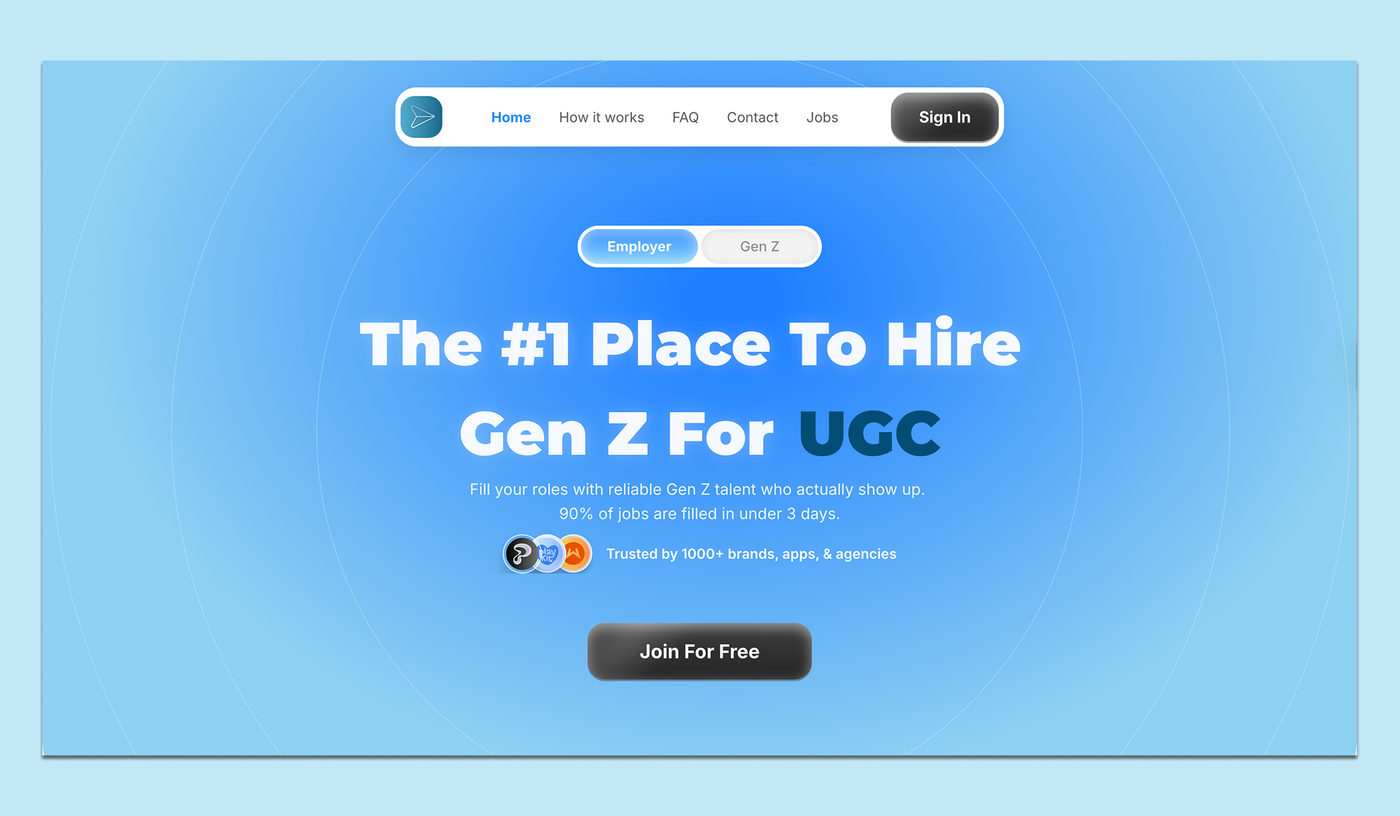
SideShift isn’t just influencer tracking software; it’s a full campaign engine built for brands that need to move fast and at scale. Unlike traditional influencer tools that focus mainly on discovery or reporting, SideShift is designed for high-volume UGC campaigns, where dozens or even hundreds of creators are producing content simultaneously for your brand.
Want to put this into practice?
SideShift connects you with vetted UGC creators who actually deliver. Start your free trial and post your first job in under 10 minutes.
The platform tracks performance at the content level, not just the creator level, making it easier to test different messaging, formats, and hooks to see what actually resonates with your audience. This level of visibility is especially useful for brands experimenting with multiple content styles across platforms like TikTok, Instagram, and YouTube Shorts.
With SideShift, you can spot winning content quickly, iterate on it, and scale what works without the guesswork that comes from managing spreadsheets or multiple tools.
Key Features:
- Real-time campaign analytics dashboard - Monitor engagement, conversions, and reach across all creators in one view
- Creator performance tracking - See which creators and content pieces are driving results across dozens of videos
- Built-in payments, contracts, and attribution - Automate operations from onboarding to payout
- Leaderboards to compare creator output - Encourage healthy competition and spot top performers quickly
Why it stands out: SideShift combines creator recruitment, performance tracking, and campaign operations in one platform, giving brands the tools to manage high-volume UGC campaigns efficiently. It’s ideal for teams that want actionable insights, streamlined processes, and the ability to scale content production without adding administrative overhead.
2. Upfluence (Best for E-commerce Brands)
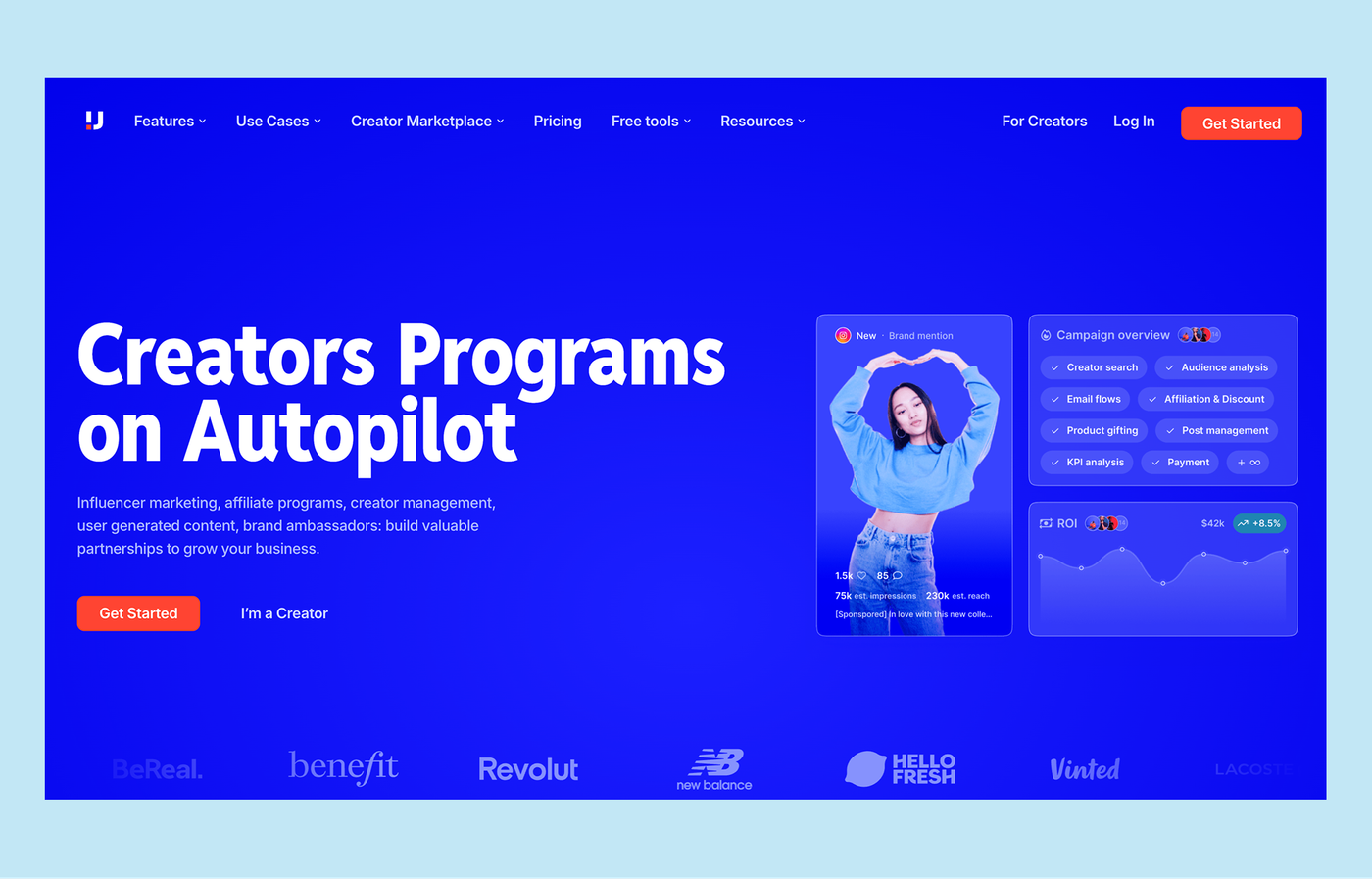
Upfluence is a robust influencer analytics platform designed specifically for e-commerce and direct-to-consumer (DTC) brands that want to track influencer-driven sales and measure ROI.
Unlike general influencer platforms, Upfluence integrates directly with e-commerce systems like Shopify and WooCommerce, allowing brands to see exactly which creators and campaigns are generating revenue. This makes it easier to optimize spend, replicate winning campaigns, and scale influencer partnerships that deliver measurable results.
The platform also supports affiliate tracking and discount codes, so brands can tie performance directly to conversions and reward creators based on results. With detailed campaign dashboards, marketers can monitor engagement, track sales, and evaluate the impact of each influencer on revenue. This level of insight is especially valuable for brands running performance-driven campaigns where every dollar counts.
Key Features:
- Shopify and WooCommerce integrations - Seamless connection to your online store for accurate sales tracking
- Influencer revenue attribution - See exactly which creators drive purchases
- Affiliate tracking and discount codes - Incentivize creators while measuring ROI
- Campaign performance dashboards - Monitor engagement, reach, and conversions across all campaigns
3. Aspire (Best for End-to-End Campaign Management)
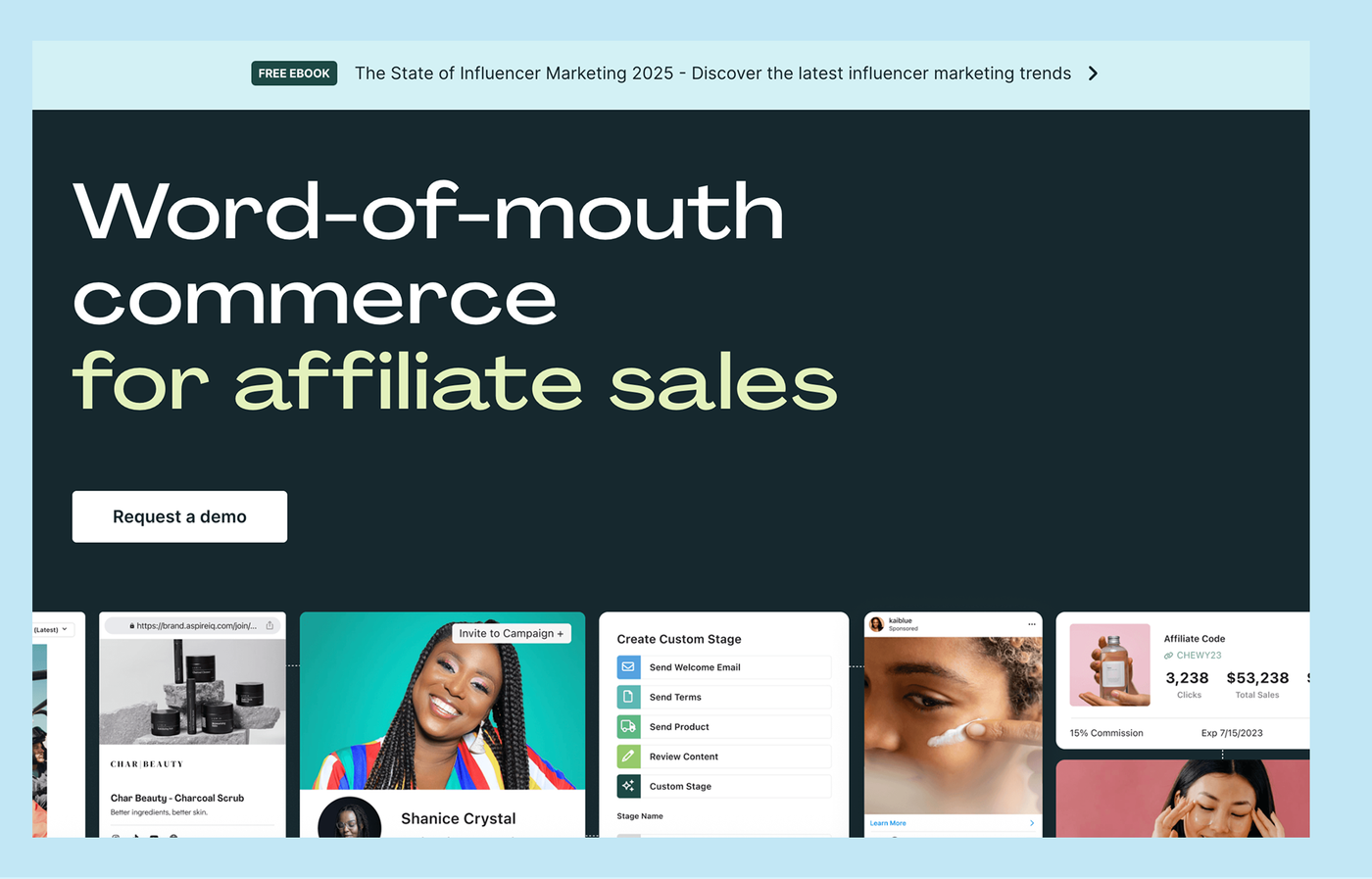
Aspire is an all-in-one influencer marketing platform designed for brands that need full control over campaigns from start to finish. It combines influencer discovery, relationship management, and performance tracking in a single system, making it easy to run structured campaigns with multiple creators. Brands can manage contracts, approve content, and monitor analytics, all without juggling spreadsheets or third-party tools.
Aspire also excels at helping teams maintain consistent messaging and brand voice across campaigns, ensuring content quality at scale. Its detailed reporting and ROI tracking allow brands to quickly see which influencers and content formats are driving results.
Want to put this into practice?
SideShift connects you with vetted UGC creators who actually deliver. Start your free trial and post your first job in under 10 minutes.
Key Features:
- Influencer CRM for managing relationships and campaigns
- Content approval workflows to maintain brand standards
- Detailed campaign analytics and ROI tracking
- Automated reporting for quick insights
4. Later (Best for AI‑Powered Campaign Planning)
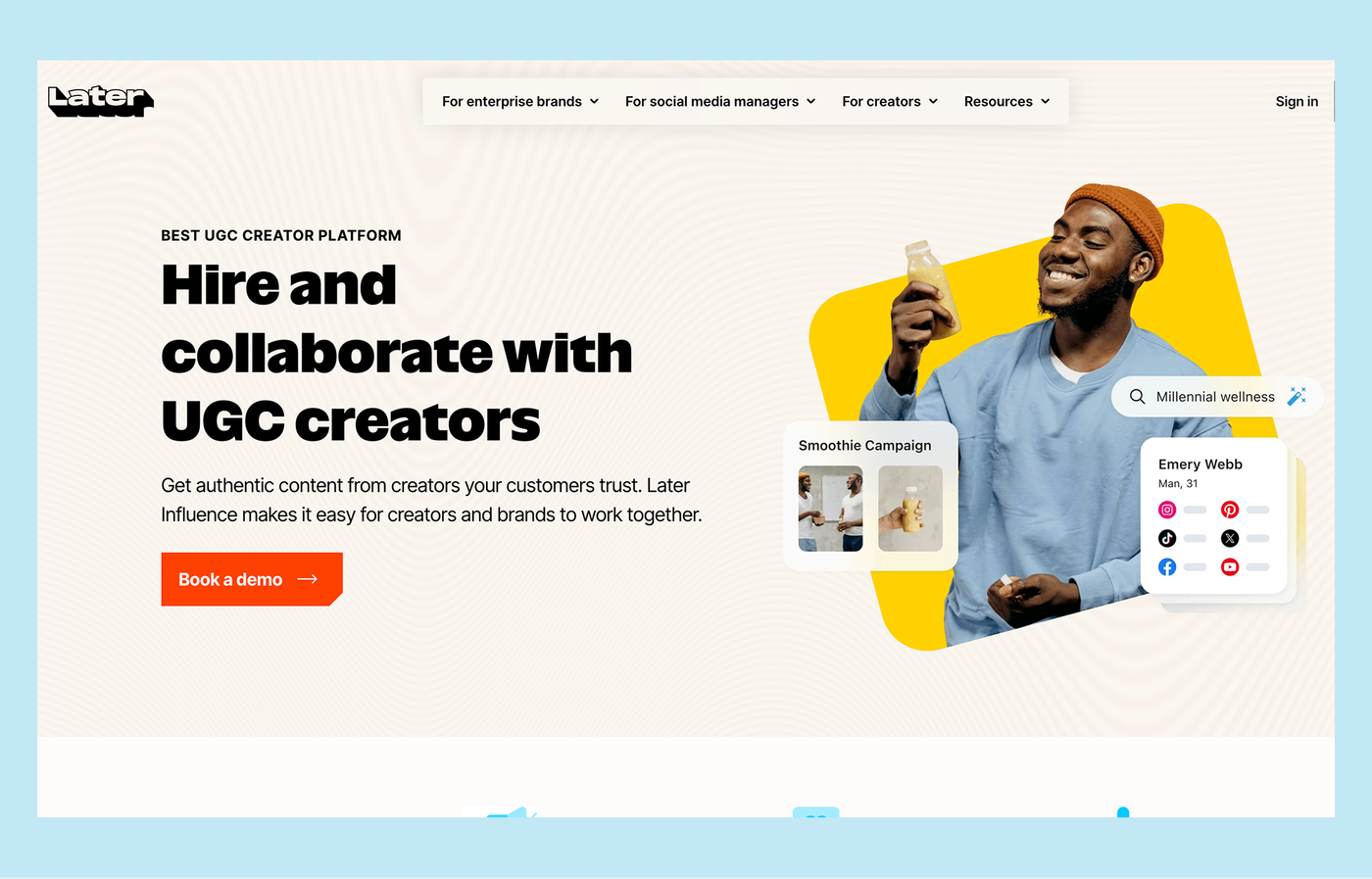
Later is an influencer marketing platform built to help brands make smarter decisions before and during campaigns. Unlike tools that focus solely on posting or scheduling, Later combines creator discovery, AI-powered recommendations, and performance analytics so brands can predict which creators, content, and budgets will drive results. This makes it especially useful for e-commerce, DTC, and lifestyle brands that want to optimize spend and reduce guesswork.
The platform uses your brand signals to surface best-fit creators and flag potential risks early. Its EdgeAI system turns real campaign history into actionable intelligence, helping you set realistic benchmarks, plan fair creator incentives, and maximize engagement and ROI. With Later, brands can track paid, organic, and sales performance in one place, making it easier to double down on what works and scale faster.
Key Features:
- Creator discovery - AI surfaces top-fit creators and flags potential risks
- Incentive advisor - See fair creator rates and optimize budget allocation
- Campaign performance dashboards - Track paid, organic, and sales results
- AI-driven recommendations - Predict outcomes, suggest creator mixes, and set benchmarks before launch
5. Sprout Social (Best for Engagement & Social Analytics)
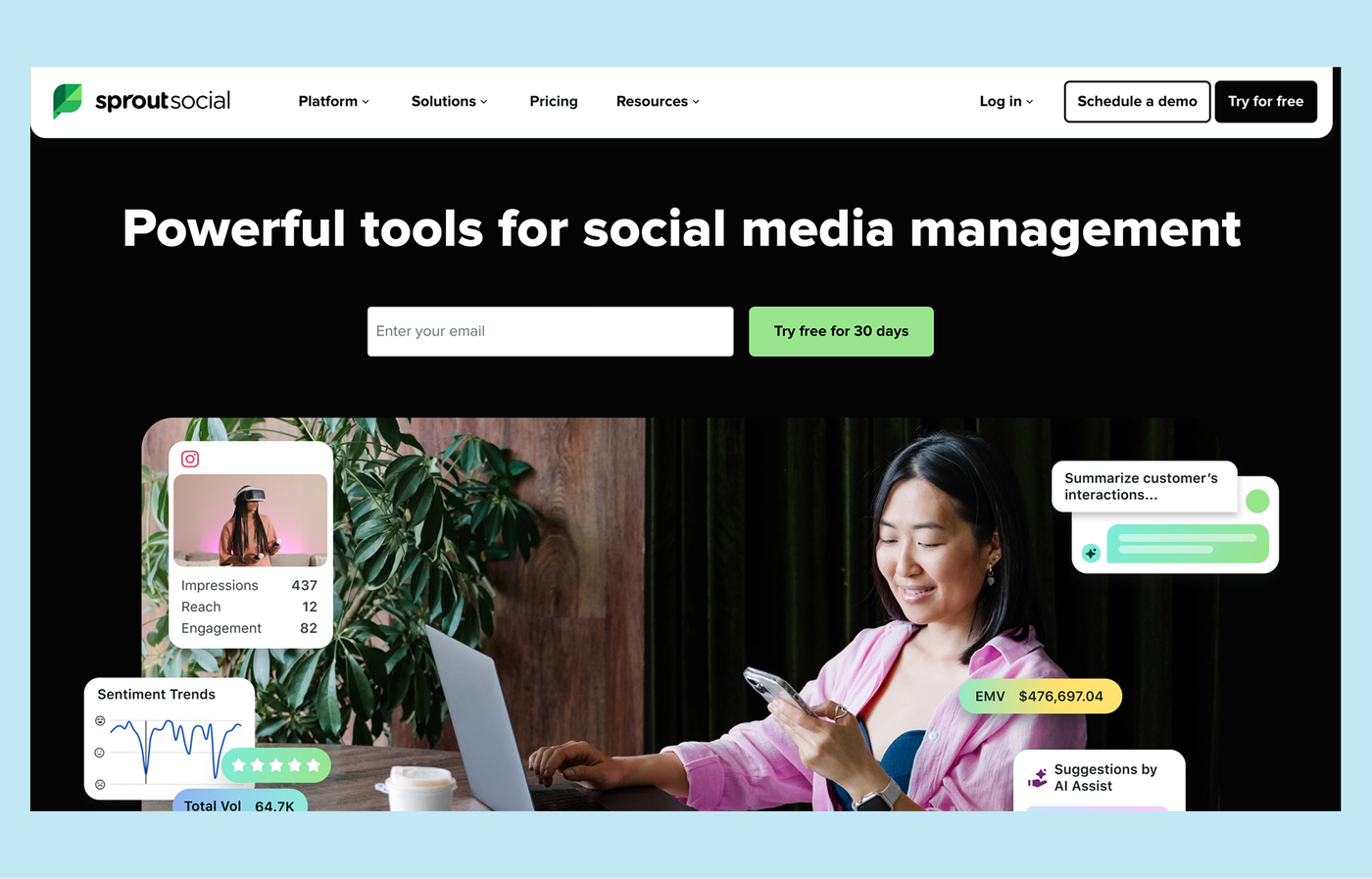
Sprout Social is a comprehensive social media management platform that combines analytics, reporting, and engagement tools for branded content. While it’s traditionally used for managing a brand’s own channels, Sprout Social’s reporting features make it useful for tracking influencer content performance, engagement rates, and audience insights.
The platform offers detailed dashboards that break down engagement metrics, demographic data, and trends, helping marketers evaluate which influencers and posts are resonating. For brands running multi-platform campaigns, Sprout Social provides a centralized view of performance to inform strategy and optimization.
Key Features:
- Social media analytics and reporting across multiple platforms
- Audience demographics and engagement insights
- Competitive benchmarking and trend analysis
- Unified inbox for monitoring influencer and brand engagement
Build a Smarter Influencer Tracking System with SideShift
Managing influencer campaigns manually doesn’t scale. Once you’re working with more than a handful of creators, things get messy fast. Recruiting, tracking performance, handling payments, and analyzing results across dozens of campaigns quickly becomes overwhelming.
SideShift was built to solve that. Instead of piecing together multiple tools and spreadsheets, brands can run everything in one place. You can recruit hundreds of UGC creators, track how each piece of content performs, and quickly identify what’s actually driving results.
That visibility changes everything. Instead of guessing which influencer campaigns are working, you have clear, real data showing which creators, hooks, and formats are delivering. From there, you can double down on what works and turn one-off wins into a repeatable growth engine.
Scale your content army with SideShift, where brands and UGC creators win together.
Join SideShift for free today.
FAQs
1. What are influencer tracking tools?
Influencer tracking tools are platforms that help brands monitor campaign performance, track engagement, measure ROI, and analyze creator effectiveness.
Want to put this into practice?
SideShift connects you with vetted UGC creators who actually deliver. Start your free trial and post your first job in under 10 minutes.
2. How do you track influencer campaign performance?
You can track performance using metrics like engagement rate, conversions, ROI, and click-through rates through influencer analytics tools or custom dashboards.
3. What is the best influencer tracking tool?
The best tool depends on your needs. SideShift is ideal for high-volume UGC campaigns, while platforms like Upfluence and GRIN work well for traditional influencer programs.
4. What metrics matter most in influencer marketing?
The most important metrics include engagement rate, conversions, cost per acquisition, and ROI, not just follower count.
5. Can small brands use influencer tracking tools?
Yes. Many influencer marketing platforms offer scalable pricing, making them accessible for startups and small brands looking to track and optimize campaigns.